As someone trying to conceive while dealing with PCOS, you probably already know that your diet matters a lot. But it matters differently here than it does for general PCOS management.
A PCOS fertility diet is not a symptom-control plan. It is specifically designed to work with the insulin-ovary connection: the biological link between blood sugar, hormonal signalling, and your body’s ability to release an egg. When insulin stays balanced, ovulation may become more regular, egg quality may improve, and LH patterns can grow clearer, giving you a more reliable picture of your fertile window, cycle after cycle.
Key Takeaways
- A PCOS fertility diet targets the insulin-ovary connection, not just symptom management.
- Lower insulin levels may support more regular ovulation and clearer LH surges.
- Eggs take about 90 days to mature — consistent nutrition during this window matters for egg quality.
- Foods rich in omega-3s, antioxidants, and plant protein may support hormone signaling and follicle health.
- Pairing a fertility-focused diet with LH tracking may help identify your most fertile days.
Key Terms Explained
- The Insulin-Ovary Connection: The biological link between elevated insulin levels and disrupted ovarian function. High insulin can trigger excess androgen production in the ovaries, which may suppress ovulation. Managing this connection is the primary goal of a PCOS fertility diet.
- Anovulation: A menstrual cycle in which an egg is not released. This is one of the most common fertility challenges in PCOS.
- Insulin Resistance: A condition in which cells do not respond effectively to insulin, leading to elevated insulin levels, a rise in androgens, and disrupted ovulation in PCOS.
- Low-Glycemic Index (GI): A rating system for carbohydrate-containing foods based on how quickly they raise blood sugar. Low-GI foods cause a slower, more gradual rise, which may support insulin balance.
- Egg Quality: The health and energy reserves of a maturing egg (oocyte). Because eggs take approximately 90 days to complete their maturation cycle, nutrition during this period can influence their quality.
Why a PCOS Fertility Diet Is Different From a General PCOS Diet
A general PCOS diet usually focuses on long-term PCOS management. It may support weight balance, insulin sensitivity, skin health, cravings, energy, and metabolic health.
A PCOS fertility diet has a more specific goal. It focuses on supporting ovulation, egg health, hormone balance, and fertile window awareness while trying to conceive.
The main difference is not that the foods are completely different. Many foods may overlap. The difference is the goal, timing, and how the diet is used alongside ovulation tracking.
In simple terms, a general PCOS diet helps manage PCOS day-to-day. A PCOS fertility diet uses many of the same healthy food principles, but applies them with a fertility goal. It focuses more on ovulation support, egg health, and timing intercourse during the fertile window.
If you are looking for a broader overview of how diet affects PCOS symptoms, see our article, Can Diet Improve My PCOS?
How a PCOS Fertility Diet Supports Ovulation

Supporting Ovulation Frequency
In PCOS, elevated insulin levels can signal the ovaries to produce excess testosterone. This hormonal imbalance may suppress the release of an egg, a condition called anovulation. According to a study published in Clinical and Experimental Obstetrics & Gynecology, a low-glycemic diet may support ovulation in women with PCOS and anovulation. In one randomized controlled trial, 24.6% of cycles were ovulatory in the low-GI diet group compared with 7.4% in the normal-GI diet group over three months.
By choosing foods that help maintain stable blood sugar, you may reduce the hormonal interference that disrupts ovulation, potentially giving you more chances to conceive each cycle.
Supporting Egg Quality
It takes around 90 days for an egg to complete its maturation process before ovulation. During this window, the nutrients in your diet act as raw materials for the egg’s cellular energy and DNA integrity. Antioxidants may help protect maturing eggs from oxidative damage, while healthy fats may support the energy the egg needs for fertilization and early development.
This 90-day timeline means that what you eat today may influence the quality of the eggs available in your fertile window three months from now.
Creating Clearer LH Patterns for Tracking
With PCOS, baseline LH levels can be elevated, which sometimes makes it harder to identify the LH surge on ovulation tests. A fertility-focused diet that helps lower insulin levels may also reduce baseline LH over time. This may make the actual surge (the signal that ovulation is approaching) more distinct and easier to identify with quantitative LH testing.
What to Eat When You Have PCOS and Are Trying to Conceive
When trying to conceive with PCOS, the goal is to build a plate that supports hormone production, reduces insulin spikes, and provides the building blocks for egg development.
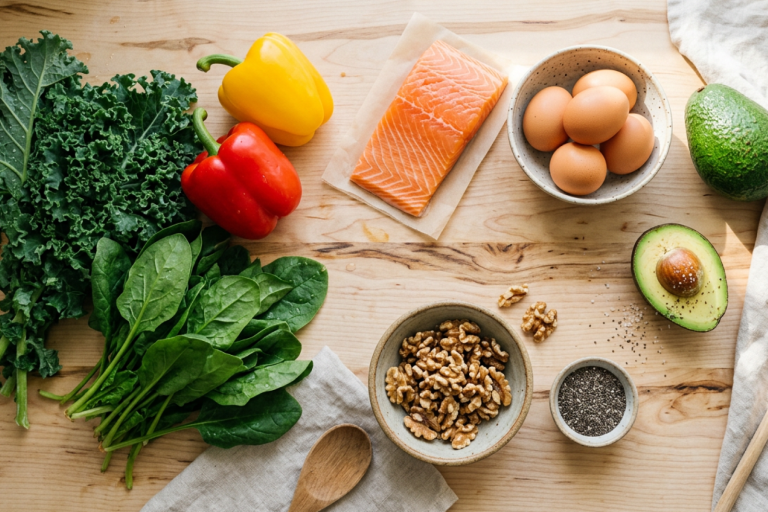
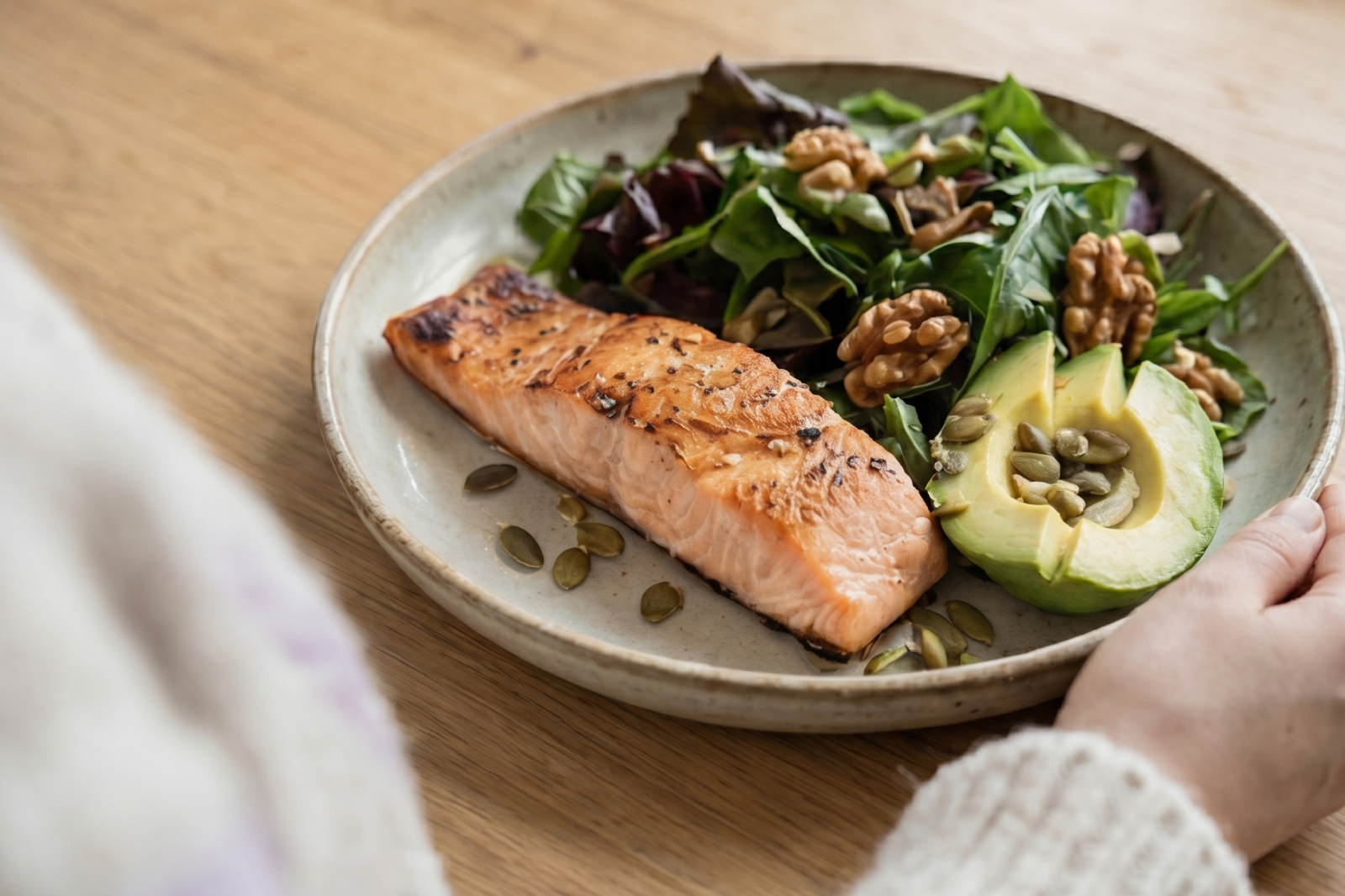
- Prioritize Protein: Aim for approximately 20–30 g of protein per meal from sources such as eggs, fish, lentils, or organic poultry. Adequate protein may support hormone production and help stabilize blood sugar after meals.
- Include Healthy Fats: Avocados, olive oil, and walnuts provide fats that may support reproductive hormone production. Full-fat dairy has also been associated with lower rates of anovulatory infertility in some studies.
- Choose High-Fiber Carbohydrates: Berries, seeds, legumes, and leafy greens slow glucose absorption and support the body’s ability to clear excess estrogen.
Targeted Foods for PCOS Fertility
Recent studies show promising results for myo-inositol and CoQ10 supplements in supporting egg quality and hormone balance in some people with PCOS. However, most studies used supplement forms, not food sources alone.
Natural inositol sources include oranges, cantaloupe, beans, lentils, chickpeas, whole grains, almonds, and walnuts. CoQ10 sources include fatty fish, chicken, eggs, spinach, broccoli, peanuts, sesame seeds, and pistachios.
Adding these foods to a PCOS fertility diet may support overall reproductive health, but PCOS supplements should be taken only with a healthcare provider’s guidance.
What to Eat During Your Fertile Window With PCOS
During the days approaching and surrounding ovulation, you may benefit from foods that support hydration, cervical mucus quality, and blood flow to the reproductive organs.
- Hydrating vegetables such as cucumber, celery, watermelon, oranges, soups, and coconut water may support hydration, which can play a role in healthy cervical mucus production.
- Nitrate-rich foods such as beets and dark berries may support healthy blood flow, including circulation to the ovaries and uterus.
- Zinc-rich seeds, such as pumpkin seeds, provide zinc, a nutrient that may support reproductive cell health and early development following fertilization.
Foods to Limit in a PCOS Fertility Diet
To keep your fertility diet effective, it helps to limit foods that can cause rapid insulin spikes. High insulin is one of the primary factors that may suppress ovulation in PCOS.
- Sugary beverages: Sodas and sweetened coffees cause immediate glucose spikes that can disrupt insulin balance.
- Refined flour products: White bread, pasta, and pastries may worsen insulin resistance over time.
- Trans fats: Highly processed and fried foods may increase systemic inflammation, which may negatively affect egg quality.
- Excessive caffeine: For some individuals, high caffeine intake may increase cortisol levels, which could potentially delay the LH surge.
PCOS Fertility Diet: Foods to Prioritize vs. Limit
| Focus more on | Limit More Often |
|---|---|
| High-fiber carbohydrates | Refined white flour products |
| Protein-rich meals | Sugary beverages |
| Omega-3-rich foods | Highly processed fried foods |
| Healthy fats | Excess added sugars |
| Whole foods | Ultra-processed snacks |
Lifestyle Habits That May Support Conception With PCOS
Diet builds the foundation, but how you move, sleep, and manage stress during your fertile window can also influence your ovulation timing.
- Time intercourse with your LH trend: Do not wait only for a confirmed peak. Consider starting regular intercourse when you first notice your LH levels beginning to rise in the Premom app — the initial rise in LH levels may signal that your fertile window is beginning to open.
- Keep movement gentle: Low-intensity activity, such as walking or yoga, supports pelvic blood flow without triggering a stress response that could delay ovulation.
- Manage cortisol during your fertile window: Elevated cortisol can interfere with LH signaling. Prioritizing sleep and stress management in the days around your expected surge may be beneficial.
How to Track Ovulation With PCOS: A Step-by-Step Guide
Because PCOS cycles can be longer and less predictable than average, calendar-based predictions are often insufficient. A data-driven tracking approach may help you identify ovulation patterns that are unique to your cycle.
Step 1: Log your period start date
Record the first day of your period in the Premom app each cycle. Over time, this data may help you observe cycle length patterns and variability.
Step 2: Begin testing after your period ends
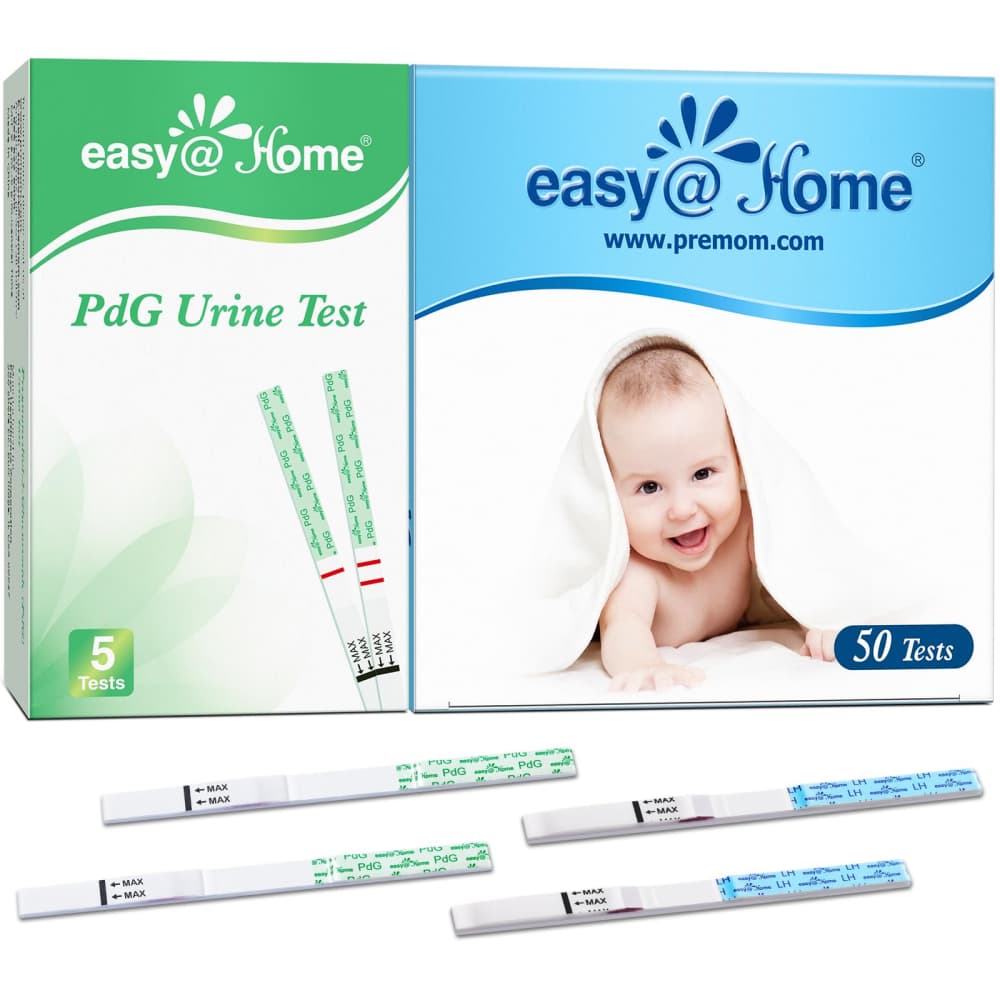
Start using ovulation test strips daily after your period. Testing once or twice per day may help capture LH changes, which can be especially important in longer or irregular cycles.
Step 3: Observe cervical mucus
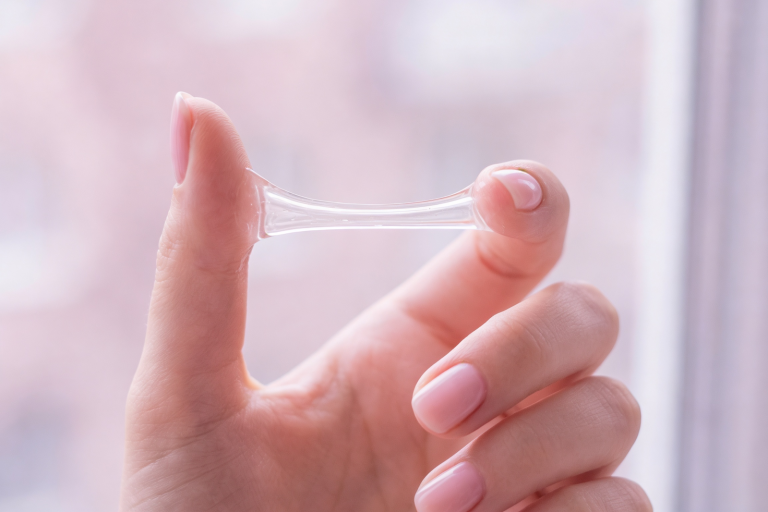
Look for clear, stretchy mucus similar in consistency to raw egg whites. This change can signal that your fertile window is approaching and may help you contextualize your LH data.
Step 4: Log LH results consistently
Upload your test strip images to the Premom app to track numerical LH values and visualize how your LH patterns change across multiple days, rather than relying on a single result.
Step 5: Identify your LH rise
Focus on identifying the highest LH value relative to your personal baseline. In PCOS, this comparative rise (not just an absolute number) may indicate an approaching surge.
Step 6: Add BBT tracking
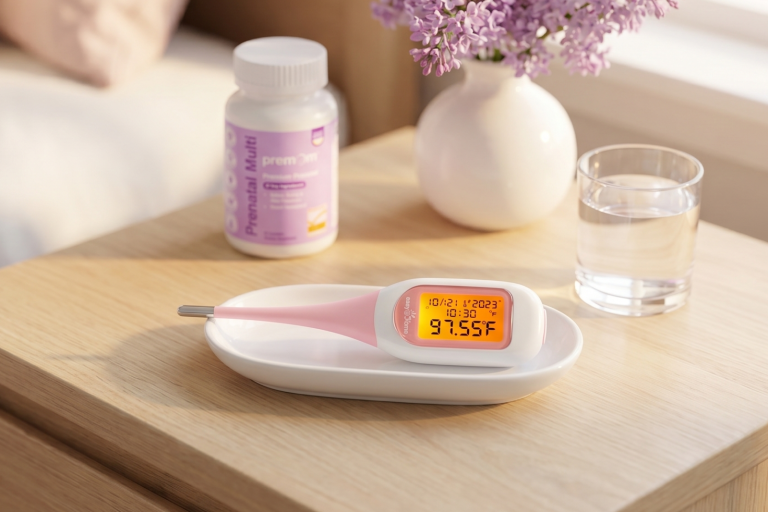
Measure your basal body temperature each morning before getting out of bed. A sustained temperature rise over several consecutive days may suggest that ovulation has likely occurred.
Step 7: Track PdG after the surge
Using PdG test strips in the days following a suspected LH peak may provide additional context about whether progesterone levels are rising as expected after ovulation.
Step 8: Review patterns across multiple cycles
Tracking across several cycles may help you better understand your personal ovulation timing and how dietary changes may be influencing your LH patterns.
Track Your PCOS Fertility Progress With Premom
Combining a fertility-focused diet with cycle tracking may help you understand how your nutrition and lifestyle choices are affecting your hormonal patterns over time. As you make dietary changes, use easy@Home ovulation test strips and the Premom app to monitor your LH patterns, observe potential surge activity, and better understand your fertile window.
For people with PCOS who have irregular or unpredictable cycles, Premom PCOS Pro is a 6-month access pass inside the Premom app that unlocks additional tracking tools and resources specifically designed to support deeper cycle awareness.
PCOS Pro includes:
- Tracking tools designed for irregular and unpredictable cycles
- Daily health logs for sleep, nutrition, and stress
- Cycle insights that build as more data is collected over time
- Educational resources focused on PCOS and hormone health
Frequently Asked Questions About PCOS Fertility Diet
A fertility-focused PCOS diet typically emphasizes high protein, healthy fats, and low-glycemic carbohydrates. This combination targets insulin resistance, which is a primary driver of irregular ovulation in PCOS. Foods rich in omega-3 fatty acids, antioxidants, and plant protein may be especially beneficial for supporting egg health and hormone signaling.
Since eggs take approximately 90 days to mature, consistent nutrition during this window is important. Focusing on antioxidant-rich foods (such as berries and leafy greens) and healthy fats (such as walnuts and avocado) may help protect and support maturing eggs. Talk to your doctor about whether supplements such as CoQ10 or myo-inositol may be appropriate for your situation.
PCOS can cause elevated baseline LH levels, which may make it harder to identify the true surge above that baseline. As insulin levels stabilize through dietary changes, baseline LH levels may decrease over time, potentially making the surge more distinct and easier to detect with quantitative LH testing in the Premom app.
Research suggests that dietary patterns, particularly those that affect insulin, may influence ovulation frequency in women with PCOS. A low-glycemic diet has been linked with improved ovulatory cycles in clinical studies, including one randomized controlled trial where ovulatory cycles were more common in the low-GI group than in the normal-GI group. However, diet is only one part of PCOS fertility care, and individual responses may vary. Always speak with your healthcare provider for personalized guidance.
Because eggs take about 90 days to mature, noticeable changes in ovulation patterns may take several weeks to months to become apparent. Using LH tracking over multiple cycles may help you observe whether your patterns are shifting over time.
Disclaimer: Premom provides educational information and tracking tools. This content is not medical advice. Always speak with your doctor before changing your diet or beginning a trying-to-conceive protocol.
References
- Sordia-Hernández LH, Ancer Rodríguez P, Saldivar Rodriguez D, et al. Effect of a low glycemic diet in patients with polycystic ovary syndrome and anovulation: a randomized controlled trial. Clin Exp Obstet Gynecol. 2016;43(4):555-559. Accessed May 5, 2026. https://pubmed.ncbi.nlm.nih.gov/29734548/
- Marsh KA, Steinbeck KS, Atkinson FS, Petocz P, Brand-Miller JC. Effect of a low glycemic index compared with a conventional healthy diet on polycystic ovary syndrome. Am J Clin Nutr. 2010;92(1):83-92. Accessed May 5, 2026. https://pubmed.ncbi.nlm.nih.gov/20484445/
- Chavarro JE, Rich-Edwards JW, Rosner BA, Willett WC. A prospective study of dairy foods intake and anovulatory infertility. Hum Reprod. 2007;22(5):1340-1347. Accessed May 5, 2026. https://pubmed.ncbi.nlm.nih.gov/17329264/
- Wang Z, Van Faassen M, Groen H, et al. Resumption of ovulation in anovulatory women with PCOS and obesity is associated with a reduction of 11β-hydroxyandrostenedione concentrations. Hum Reprod. 2024;39(5):1078-1088. https://pubmed.ncbi.nlm.nih.gov/38503490/
- Barrea L, Arnone A, Annunziata G, et al. Adherence to the Mediterranean diet, dietary patterns, and body composition in women with polycystic ovary syndrome (PCOS). Nutrients. 2019;11(10):2278. https://pmc.ncbi.nlm.nih.gov/articles/PMC6836220/
- Unfer V, Facchinetti F, Orrù B, Giordani B, Nestler J. Myo-inositol effects in women with PCOS: a meta-analysis of randomized controlled trials. Endocr Connect. 2017;6(8):647-658. https://pubmed.ncbi.nlm.nih.gov/7416064/
- Rodríguez-Varela C, Labarta E. Does Coenzyme Q10 Supplementation Improve Human Oocyte Quality?. Int J Mol Sci. 2021;22(17):9541. Published 2021 Sep 2. https://pubmed.ncbi.nlm.nih.gov/34502447/