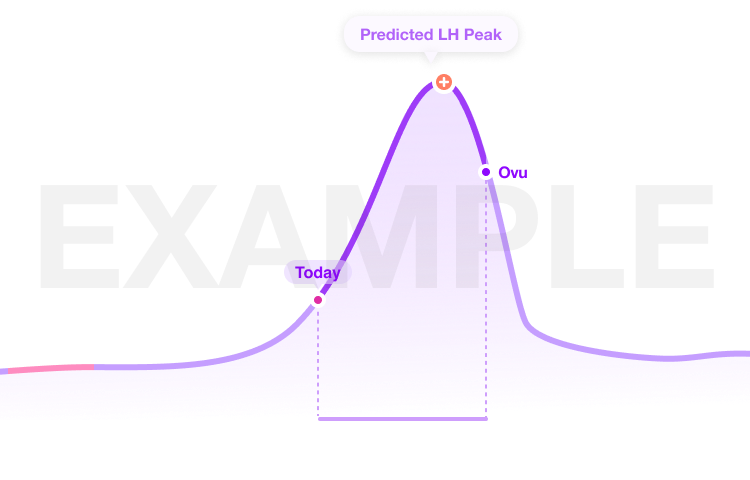
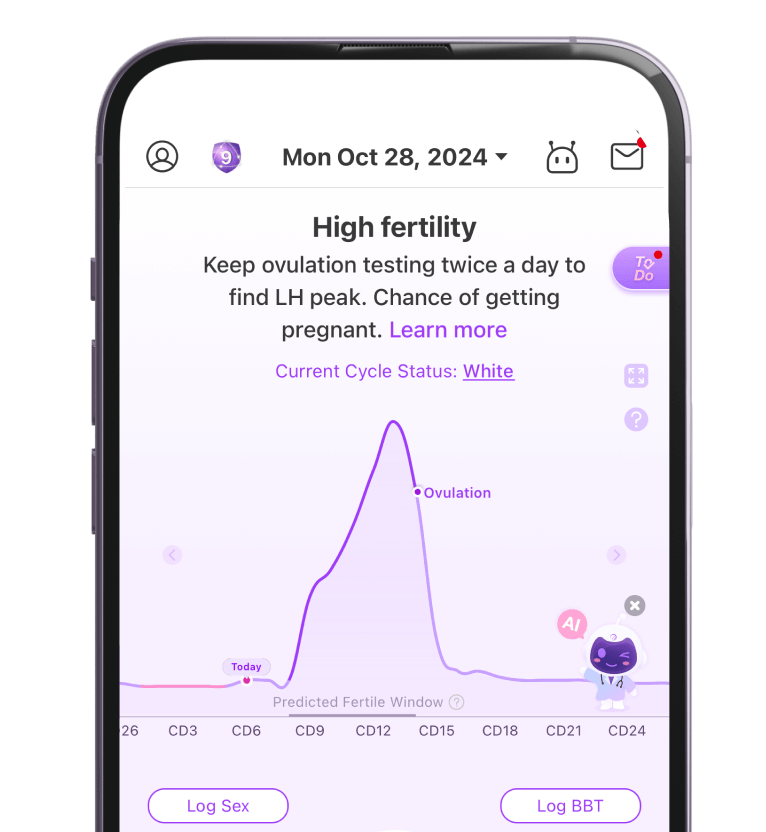
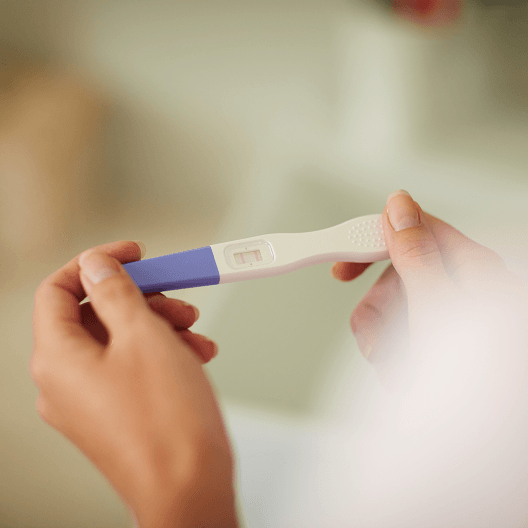
Ovulation test kit and Premom app showing LH curve

Predict Your Most Fertile Days with Premom’s Ovulation Calculator

Use Premom’s free ovulation calculator to estimate your most fertile days and better understand your cycle. Plan for pregnancy naturally with Premom’s data-driven fertility tracking tools.

MonTueWedThuFriSatSun

Disclaimer: The Premom ovulation calculator provides estimated fertile windows and ovulation dates based on the information you enter and standard cycle-based assumptions. As ovulation timing can vary from cycle to cycle due to hormonal changes, stress, illness, or lifestyle factors, results may not always be exact. This tool is meant for informational purposes only and should not be used as a substitute for medical advice, diagnosis, or treatment. For personalized fertility guidance, consult a qualified healthcare provider. Premom does not collect, store, or access any personal data entered into this tool. All calculations run securely in your browser, and data is cleared when you leave the page.

Premom is a fertility and pregnancy tracking platform trusted by 15M+ people worldwide*. This hCG pregnancy calculator is part of a suite of free tools built on the same hormone tracking framework behind the Premom app, designed to help you understand your results with greater clarity at every stage of your journey.

Master your fertile window: Expert guides to your cycle

An ovulation calculator is a powerful starting point, but your body provides real-time clues that a calendar alone can’t see. To maximize your chances of conceiving this month, explore our expert-led resources on pinpointing your peak fertility:

  • Confirm your surge: Learn how to read ovulation test strips and identify your LH peak with confidence.
  • Listen to your body: From “egg white” texture to shifts in temperature, discover the top signs of ovulation you should be tracking.
  • Navigate the “what ifs”: Dealing with unpredictable cycles? Here is how to track ovulation with irregular periods or PCOS.

What is ovulation and how does it work?

Think of ovulation as the main event of your menstrual cycle. It is the natural process where one of your ovaries releases an egg, a moment regulated by a complex dance of hormones. Once released, the egg travels into the fallopian tube, where it remains viable for about 24 hours. Sperm, on the other hand, can survive for up to 5 days.

However, the “window” to get pregnant is actually much wider than just one day. Because sperm can survive inside your body for up to 5 days, your fertile window includes the five days leading up to ovulation plus the day of ovulation itself. At Premom, we want to help you pinpoint these specific days. By identifying this window, you can time intercourse when your chances of conception are at their absolute highest.

Dr. Patti Haebe, Senior Medical Advisor at Premom, says, “I often tell my patients that getting pregnant isn’t just about the ‘average’ 28-day cycle. It is about understanding the unique pattern of your own hormones. The Premom app takes the guesswork out of that conversation by looking at your actual data rather than just a calendar.”

How ovulation & conception go hand in hand

Conception can only occur around the time of ovulation. Once an egg is released, there is a short window (~24 hours) for fertilization. If sperm are already present or reach the fallopian tube during this time, fertilization may occur.

The highest likelihood of conception occurs when intercourse takes place during the five days before ovulation and the day of ovulation.2

Many people miss this window due to cycle variability or incorrect assumptions. The Premom ovulation calculator helps reduce guesswork by estimating when ovulation is most likely to occur, supporting more informed timing of conception and planning.

Tracking your menstrual cycle

Your cycle starts on the first day of your period and ends the day before the next one begins. While a typical cycle is 28 days, Premom understands that “normal” looks different for everyone.

Tracking your cycle with Premom helps you:

  • Understand your body’s unique rhythms and patterns.
  • Identify your most fertile days with confidence. 
  • Monitor changes in your health over time.

Using an ovulation calculator is a great first step in taking ownership of your reproductive health and building a clearer picture of your fertility.

Identifying your fertile window with confidence 

The fertile window typically includes the five days before ovulation and the day of ovulation. These are the days when fertilization, resulting in pregnancy, is most likely.

Ovulation tracker tools analyze your cycle data to estimate this window and highlight your most fertile days. Calendar-based estimates are not always reliable on their own. Consistent tracking across multiple cycles is the best way to predict your fertile window. By using the Premom and easy@Home fertility tracking tools, you can move beyond basic estimates and start seeing the real patterns that lead to a successful pregnancy.

Advanced tracking for greater clarity

Ovulation timing can be influenced by several factors, including:

  • Hormonal imbalances
  • Stress
  • Body weight or nutrition changes
  • Intense physical activity
  • Medical conditions such as PCOS, endometriosis, or thyroid disorders

Ovulation predictor kits (OPKs) detect the luteinizing hormone (LH) surge, which occurs 24–36 hours before ovulation.

Basal body temperature (BBT) tracking records the slight increase in body temperature that occurs after ovulation, suggesting that ovulation may have occurred.

Using Premom ovulation test kits alongside a BBT thermometer provides a more complete picture of your fertility patterns.

Irregular periods & pregnancy planning

Irregular cycles can make ovulation harder to predict, which may affect pregnancy planning. Ovulation may still occur, but not at consistent intervals.

Ovulation calculators can help estimate patterns, but combining them with LH testing and BBT tracking may provide more reliable insights.

Research1 suggests that ovulation predictor kits may improve the likelihood of identifying fertile days, while a rise in BBT may suggest that ovulation has likely occurred. Using both methods together supports more informed fertility tracking.


How an ovulation calculator works

An ovulation calculator estimates your fertile window based on your cycle data. It does not predict an exact date but provides a personalized range that may improve with consistent tracking.

1. Enter your cycle details

Enter the first day of your last period and your average cycle length into the tool.

2. Estimate ovulation timing

The tool uses cycle-based calculations to estimate when ovulation is likely to occur.

3. Identify the fertile window

It highlights the days leading up to ovulation and the day of ovulation when pregnancy is most likely.

4. Track changes over time

With regular tracking, predictions can be more personalized over time.

5. Support smarter planning

Combining an ovulation calculator with ovulation tests can help track hormone changes to refine ovulation predictions. This can help reduce guesswork and support more confident pregnancy planning.

Frequently asked questions about ovulation

When does ovulation occur?

Ovulation usually occurs 11–14 days before your next period, not a fixed number of days after your period ends. The timing depends on your menstrual cycle length. An ovulation calculator helps estimate this more accurately than counting calendar days.

When does ovulation start after a period?

Ovulation does not occur at a fixed time after menstruation and varies between individuals and cycles. In shorter menstrual cycles, ovulation tends to occur earlier, and in longer cycles it tends to occur later. Ovulation prediction tools estimate timing based on individual cycle length and hormone patterns rather than a single calendar day..

How many days after my period should I test for ovulation?

If you are new to testing, begin daily testing soon after your period ends. With prior tracking, start about 5 days before your expected ovulation.

How do I calculate my expected ovulation day?

Count back 12–16 days from your expected next period. Ovulation calculators (also called fertility calculators or fertile window calculators) can estimate it for you using your cycle data.

What are the signs of ovulation?

Common signs include changes in the cervical mucus that make it appear slippery, smooth and stretchy; mild pelvic discomfort, and increases in libido. These observations, combined with ovulation tests, can help improve prediction.

How to check if I am ovulating?

Ovulation testing is a popular method for helping to predict when ovulation is likely to occur. A sustained rise in basal body temperature after ovulation may further suggest that ovulation has likely occurred. Using both methods together provides a more complete picture.

Why should I use an ovulation testing kit?

Ovulation test kits help detect the LH surge before ovulation, helping you identify your most fertile days with more confidence.

How to track ovulation?

Using an ovulation test kit, test daily after your period ends. Test between 10 AM and 8 PM, avoid excess fluid intake beforehand, and follow instructions carefully.

Does ovulation occur with irregular periods?

Yes, many people with irregular cycles still ovulate, but timing may vary. Tracking hormones with OPKs and BBT may improve the reliability of your estimates.

What are early pregnancy symptoms after ovulation?

Early symptoms may include fatigue, breast tenderness, or mild cramping. Pregnancy should be confirmed with urinary hCG testing at home and then by a qualified healthcare practitioner after a missed period.

References

  1. eh, P. T., Kennedy, C. E., Van der Poel, S., et al. (2019). Should home-based ovulation predictor kits be offered as an additional approach for fertility management? A systematic review and meta-analysis. BMJ Global Health, 4(2), e001403. https://pubmed.ncbi.nlm.nih.gov/31139458/
    Cleveland Clinic. (2025, December 12). How (and why) to use at-home ovulation tests to get pregnant. https://health.clevelandclinic.org/should-you-use-ovulation-strips-to-get-pregnant
  2. Wilcox, A. J., Weinberg, C. R., & Baird, D. D. (1995). Timing of sexual intercourse in relation to ovulation — effects on the probability of conception, survival of the pregnancy, and sex of the baby. The New England Journal of Medicine, 333(23), 1517–1521. https://www.nejm.org/doi/full/10.1056/NEJM199512073332301
  • Tiplady, S., Jones, G., Campbell, M., Johnson, S., & Ledger, W. (2012). Home ovulation tests and stress in women trying to conceive: a randomized controlled trial. Human Reproduction, 28(1), 138–151. https://academic.oup.com/humrep/article/28/1/138/596463
  • ASRM (Clinical/Professional Source) Practice Committee of the American Society for Reproductive Medicine. (2022). Optimizing natural fertility: a committee opinion. Fertility and Sterility, 117(1), 53–63. https://www.fertstert.org/article/S0015-0282(21)02130-0/fulltext
  • ACOG (Patient Education Source) American College of Obstetricians and Gynecologists. (2023). Fertility awareness-based methods of family planning (FAQ024). https://www.acog.org/womens-health/faqs/fertility-awareness-based-methods-of-family-planning

Ovulation Kits & Fertility Tracking Tools For You

Limited Time Deal
Easy@Home Ovulation Test Strips

Easy@Home Ovulation Test Strips

Ovulation Tracking Made Easy with Premom App Designed to Boost Natural Conception Effortless Testing Process Easily Interpret Results Committed to Customer Satisfaction

25 Pack

$9.99 (-9%)

MRP: $10.99

50 Pack

$17.99

MRP: $17.99

100 Pack

$27.99

MRP: $27.99

Limited Time Deal
Easy@Home Ovulation Test Strips + PdG Urine Tests

Easy@Home Ovulation Test Strips + PdG Urine Tests

50 Ovulation Strips: Easily predict your most fertile days with our reliable LH ovulation predictor kit. 5 PdG Test Strips: Track your post-ovulation hormone patterns with simple, at-home tests that measure PdG — a natural metabolite of progesterone — designed to work seamlessly with the Premom Ovulation App. Track Ovulation with Clarity: Use your tests with the free Premom app for data-driven insights and personalized fertility guidance to better plan your conception journey. Why PdG Testing Matters: PdG (pregnanediol glucuronide) is a natural metabolite of progesterone, a hormone produced after ovulation. Sustained PdG levels may indicate ovulation has occurred and suggest adequate progesterone support for a healthy uterine lining, which is crucial for pregnancy When Should You Test?Start PdG testing 5 days after achieving a positive ovulation test result with an Easy@Home Ovulation Predictor Kit. If your PdG test result is negative, continue PdG testing daily until you get a positive result before your next period.

Easy@Home Ovulation Test Strips + PdG Urine Tests

$35.99

MRP: $35.99

Limited Time Deal
Premom Quantitative LH Test Strips + App PCOS Pro Bundle !LIMITED-TIME SALE!

Premom Quantitative LH Test Strips + App PCOS Pro Bundle !LIMITED-TIME SALE!

!LIMITED-TIME SALE! Built for irregular cycles: quantitative LH strips read your fluctuating hormone levels so you can see the full picture and know your best days to try. Tap More in App to unlock PCOS Pro. [*1] Specially Designed for Women Trying to Conceive: These ovulation tests give women a greater chance of predicting their most fertile days, even if their cycle lengths vary Quantitative and Digital: With the smart Premom App or color chart, this OPK quantifies your LH Level from 0-65 mIU/mL and shows your LH results in a complete chart of your ovulation cycle, particularly beneficial for women with PCOS, irregular cycles, multiple surges, or hard-to-recognize surges Clear Results: Solid and clear test lines on a clean white background. No need to compare the test line and control line. No ambiguous result Easy to Track: Dip Test in urine sample for 5-10 seconds and read the result in 5-10 mins. Snap a picture of the test result using the free Premom app. The smart algorithm will show you the numerical LH level, LH Surge, LH Peak, and digitize your complete ovulation cycle.

20 LH

$36.19 (-14%)

MRP: $41.99

Premom App Screenshot

Start tracking your cycle. Predict your fertile days in simple and easy steps.

Install the App
Clinical Experts Clinical Experts

Have Questions About Your Cycle?

Ask An Expert (AAE)

Get expert guidance on Periods, Ovulation, and Fertility when you need it.

Talk to a Clinical Expert