| "Helping women track their ovulation in a smarter way" |

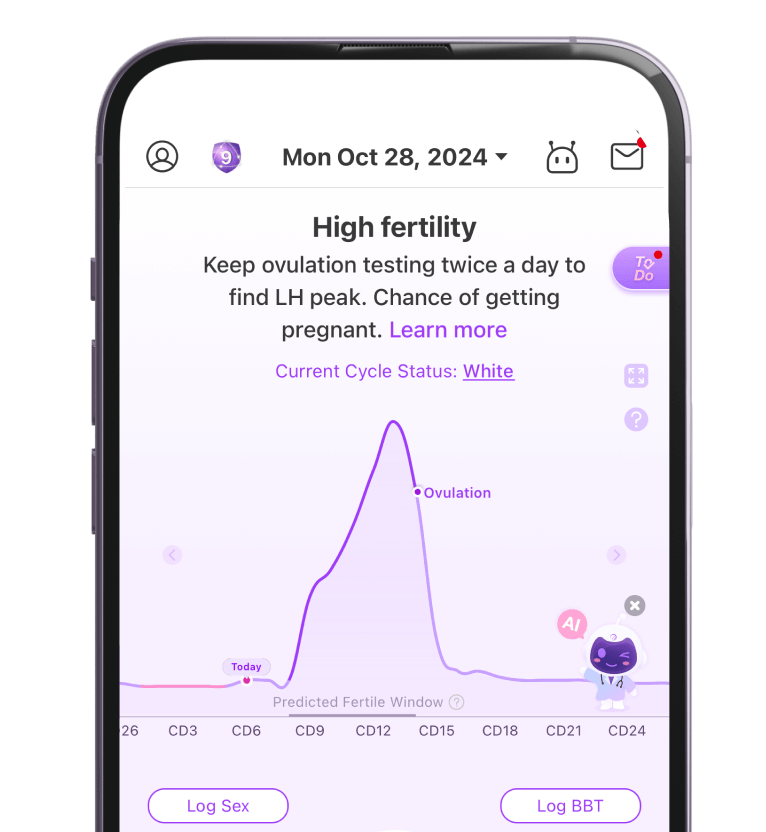
Premom is a fertility and pregnancy tracking platform trusted by 15M+ people worldwide*. This hCG pregnancy calculator is part of a suite of free tools built on the same hormone tracking framework behind the Premom app, designed to help you understand your results with greater clarity at every stage of your journey.
Understanding your numbers: What happens next?
Calculating your doubling time is a great way to monitor early progress, but hCG is just one piece of the pregnancy puzzle. Whether you’re celebrating a high number or feeling cautious about your results, our expert guides help you navigate these first few weeks with clarity:
- Blood vs. Urine Tests: Still testing at home? Learn about the accuracy of pregnancy test lines.
- The Hormone Effect: Rising hCG often brings physical changes. Explore the most common early pregnancy symptoms and why they happen.
- Your First Appointment: Doubling times are a helpful guide, but an ultrasound provides the full picture. Here is what to expect at your first prenatal visit.
What is hCG?
Human chorionic gonadotropin (hCG) is a hormone produced shortly after a fertilized egg implants in the uterus. It plays an important role in supporting early pregnancy by helping maintain progesterone production and the uterine lining. hCG levels rise rapidly during the first weeks of pregnancy and can be detected through blood or urine tests. A beta hCG calculator helps interpret these values by estimating how quickly the hormone is increasing over time. Monitoring hCG levels is commonly used in early pregnancy to support understanding of how pregnancy is progressing and whether hormone levels are rising within expected ranges.
hCG levels & early pregnancy
During the first trimester, hCG levels usually increase quickly, often doubling approximately every 48 to 72 hours in early pregnancy. However, the rate of increase can vary from person to person. Doctors sometimes use beta hCG tests taken a few days apart to monitor how pregnancy hormones are changing. A beta hCG calculator helps estimate this growth pattern and determine whether the rise appears typical. Understanding hCG levels can provide reassurance during early pregnancy while helping doctors identify when additional monitoring may be needed.
Why tracking hCG matters
Tracking hCG levels can provide useful insights during the earliest weeks of pregnancy. Rising hormone levels typically indicate that pregnancy is progressing normally. However, slower increases or unusual patterns may sometimes require medical evaluation. A pregnancy hCG calculator helps estimate hormone doubling time between tests, which can support early pregnancy assessment. While these calculations cannot confirm pregnancy health on their own, they help patients and doctors better understand hormonal trends and determine whether follow-up testing or ultrasound monitoring may be recommended.
hCG doubling time
In early pregnancy, hCG levels often follow a recognizable pattern of growth known as the hCG doubling time. This refers to how long it takes for hormone levels to double between tests. For many pregnancies, this occurs within about two to three days during the early weeks. A beta hCG calculator uses the dates and values of two test results to estimate this doubling rate.
When hCG levels may vary
While rising hCG levels are typical in early pregnancy, the exact numbers can vary widely between individuals. Hormone levels may differ depending on implantation timing, multiple pregnancies, or individual biological variation. Certain conditions, such as ectopic pregnancy or miscarriage, may also affect beta hCG levels, which is why medical interpretation is important.
A pregnancy hCG calculator can help estimate trends, but it should always be used alongside medical guidance and clinical testing for accurate pregnancy evaluation. The Premom app lets you log and track your hCG results over time alongside your broader pregnancy and cycle data, giving you one place to see the full picture.
How the hCG calculator works
The premom hCG calculator helps estimate how pregnancy hormone levels are rising over time by analyzing the test values you enter.
Enter your test results
Add your beta hCG levels and the dates when each blood test was performed. These values are typically provided by your doctor or laboratory.
Calculate hormone growth
The beta hCG calculator compares the two values and calculates how quickly the hormone levels increase between tests.
Estimate doubling time
The tool estimates your hCG doubling time, which shows how long it takes for hormone levels to double during early pregnancy.
Understand pregnancy trends
By analyzing hCG levels across multiple tests, the calculator helps identify whether the increase follows typical early pregnancy patterns.
Support informed discussions with doctors
The pregnancy hCG calculator provides useful reference information that can help you better understand test results before discussing them with your healthcare provider.
For ongoing pregnancy tracking beyond a single result, the Premom app brings your hCG trends, cycle history, and test results together in one place, so each appointment starts with a clearer picture.