
If you are searching for PCOS weight loss guidance while trying to conceive, one common question may be: “Can losing just 5% of body weight really support fertility?” Research published by NCBI suggests even a modest weight loss of around 5% of total body weight may improve insulin sensitivity and support the return of ovulation in some women with PCOS. This may also support better fertility outcomes, although results can vary by age, metabolic health, ovulation pattern, and lifestyle.
What is the link between PCOS and weight loss?
Polycystic Ovary Syndrome (PCOS) is a hormonal disorder common among women of reproductive age. This hormonal imbalance can lead to problems with the ovaries – delaying or completely missing ovulation – causing irregular periods or no periods at all.
Many women may not know they have PCOS until they start trying to conceive. Due to the higher levels of androgens (male sex hormones), problems with ovulation may occur, causing delayed ovulation or missed ovulation altogether. Although many conversations around PCOS are about irregular cycles and missed ovulation, there are other problems women with PCOS face, one of which is weight gain.
The weight gain cycle in PCOS is driven by androgen-related hormonal patterns and insulin resistance. This hormone imbalance makes PCOS weight loss feel challenging, as metabolic changes favor fat storage over fat burning.
Why Does PCOS Cause Weight Gain?
The hormonal changes that occur with women who have PCOS involve more than just the reproductive hormones, it can also affect insulin levels, which is the hormone that helps the body to regulate sugar levels and when imbalanced can contribute to the weight gain and hormonal changes often seen with PCOS.

PCOS is often associated with insulin resistance, which means that the cells in muscles, organs and other tissues do not respond to insulin well. This means they do not absorb blood sugar well which leads to higher glucose levels in the bloodstream. Over time the body starts to develop higher levels of insulin, which can lead to complications such as diabetes.
Together, these insulin and hormone changes can make it easier to gain weight and harder to lose weight with PCOS, especially around the belly area.
Does losing weight with PCOS help fertility?
If you have PCOS and are overweight, considering weight loss can be the most beneficial first step in improving many of the symptoms you may be experiencing such as irregular cycles, which can greatly improve your chances for overall conception. Even a small weight loss can improve the symptoms of PCOS.
The 2024 Human Reproduction study states that in women with PCOS and excess weight, losing around 5–10% of body weight can improve insulin sensitivity. Better insulin sensitivity can help lower androgen activity, including testosterone-related effects, and support more regular ovulation. These changes are linked with improved fertility outcomes, though results can vary from person to person.
Why even 5% weight loss may improve ovulation
In women with PCOS and excess weight, even modest weight loss can improve insulin sensitivity. Better insulin sensitivity can help reduce excess insulin-driven androgen activity and support healthier LH patterns, which may create a better environment for follicle growth and ovulation. A clinical study found that lifestyle modification improved insulin sensitivity and restored ovulation in overweight infertile women with PCOS.
PCOS weight loss benefits
| Weight Loss Change | Possible Fertility Benefit |
|---|---|
| 5% body weight | Improved ovulation, Better insulin control |
| 10% body weight | More regular cycles, Lower inflammation |
| Sustainable BMI | Reduced androgen levels, improved egg development |
Can I get pregnant with PCOS if I lose weight?
Following a healthy diet and exercise routine can help your body’s natural response to insulin which in turn may regulate your cycles and ovulation, making it easier to conceive. Reducing weight helps improve insulin levels, which can help some women resume normal ovulation and improve pregnancy rates.

Achieving a healthy weight often helps regulate cycles and improve fertility outcomes. Combining lifestyle changes with ovulation-tracking tools helps you identify your fertile window as your body begins to ovulate more regularly.
How to track ovulation with PCOS: A step-by-step guide
Because PCOS cycles can be longer and less predictable than average, calendar-based predictions are often insufficient. A data-driven tracking approach may help you identify ovulation patterns that are unique to your cycle.
Step 1: Log your period start date
Record the first day of your period in the Premom app each cycle. Over time, this data may help you observe cycle length patterns and variability.
Step 2: Begin testing after your period ends
Start using ovulation test strips daily after your period. Testing once or twice per day may help capture LH changes, which can be especially important in longer or irregular cycles.
Step 3: Observe cervical mucus
Look for clear, stretchy mucus similar in consistency to raw egg whites. This change can signal that your fertile window is approaching and may help you contextualize your LH data.
Step 4: Log LH results consistently
Upload your test strip images to the Premom app to track numerical LH values and visualize how your LH patterns change across multiple days, rather than relying on a single result.
Step 5: Identify your LH rise
Focus on identifying the highest LH value relative to your personal baseline. In PCOS, this comparative rise (not just an absolute number) may indicate an approaching surge.
Step 6: Add BBT tracking
Measure your basal body temperature each morning before getting out of bed. A sustained temperature rise over several consecutive days may suggest that ovulation has likely occurred.
Step 7: Track PdG after the surge
Using PdG test strips in the days following a suspected LH peak may provide additional context about whether progesterone levels are rising as expected after ovulation.
Step 8: Review patterns across multiple cycles
Tracking across several cycles may help you better understand your personal ovulation timing and how weight loss changes may be influencing your LH patterns.
PCOS symptoms that affect fertility
| PCOS Symptom | Fertility Impact |
|---|---|
| Irregular periods | Unpredictable ovulation |
| Insulin resistance | Hormonal imbalance |
| Weight gain | Increased risk of ovulatory dysfunction |
| Elevated androgens | Difficulty conceiving |
PCOS weight loss vs regular weight loss: Why it feels harder
Maintaining a healthy BMI while trying to conceive will also prepare you for pregnancy. Weight reduction can help decrease many risks involved with being overweight during pregnancy such as hypertension (preeclampsia) and gestational diabetes.
However, PCOS weight loss feels harder due to metabolic adaptation, chronic inflammation, and high cortisol. These factors sometimes make traditional fat-burning methods seem less effective, requiring a specialized approach to weight loss and how you manage your daily habits.
PCOS weight loss vs regular weight loss
| Feature | PCOS Weight Loss | Regular Weight Loss |
|---|---|---|
| Pace of Progress | Weight loss can feel slower because insulin resistance is common in PCOS. | Weight loss may respond more predictably to calorie balance and activity. |
| Fat Storage | Higher insulin levels can make the body store fat more easily, especially around the belly (sometimes referred to as PCOS belly). | Fat storage patterns may depend more on genetics, diet, activity, and hormones. |
| Hormonal Factors | Androgen imbalance can increase cravings, acne, hair growth, and belly fat. | Androgen-related symptoms are usually not a major factor. |
| Cycle Impact | Irregular periods or delayed ovulation can make progress feel harder to track. | Cycles may stay more predictable, making body changes easier to notice. |
| Metabolic Stress | Stress, poor sleep, and inflammation can affect both hormones and weight. | Stress and sleep still matter, but hormone disruption may be less complex. |
| Primary Strategy | Low-GI carbs, protein-rich meals, fiber, strength training, and consistency can help support insulin balance. | A balanced diet with macronutrient goals and regular exercise may be enough for many people. |
| Support Needs | Progress may need more time, tracking, and medical support if symptoms are severe. | Progress may be easier to manage without hormone-related barriers. |
Best diet for PCOS weight loss and fertility
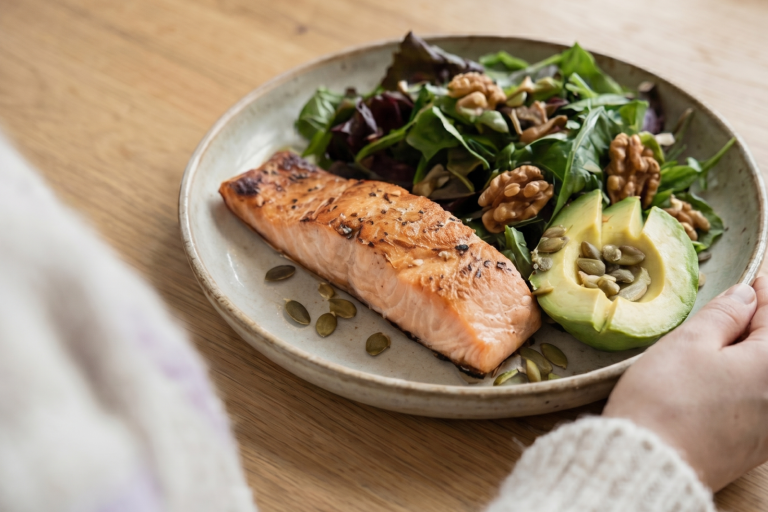
Healthy weight loss is best achieved by a combination of lifestyle changes, including diet and exercise. Proper nutrition is key to weight loss, and it may be helpful to work with a professional who can help you build a meal plan. It is important to focus on blood sugar balance. You can include more protein, fruits, veggies, and healthy fats while decreasing refined carbohydrates, sugars, and processed foods that spike your blood sugar.
A PCOS diet for weight loss emphasizes protein, low- glycemic foods, and anti-inflammatory eating. This strategy helps reduce the glucose spikes that worsen PCOS and fertility outcomes.
Exercise tips to support fertility with PCOS
Physical activity is all around great for your overall health and well-being. Finding a good exercise routine that works for you and your schedule is also a great step in the right direction. Try to find some activities you enjoy that get your body moving and develop a routine to stick to. Any movement counts, even if it is 10-15 minutes.
To support PCOS and pregnancy goals, focus on:
- Walking to lower cortisol.
- Resistance training to improve insulin response.
- Moderate cardio with recovery time to avoid excessive stress on the body.
How long does it take to get pregnant with PCOS?
The timeline varies, but many women see cycle recovery within 3 to 6 months of consistent weight management. Your age + BMI influence these results; however, restoring ovulation is the primary goal.
Best age to get pregnant with PCOS
While fertility decline and egg quality are concerns as we age, managing your ovarian reserve through early TTC planning is vital. Earlier intervention helps mitigate the risks associated with PCOS and pregnancy.
Best lifestyle habits for PCOS fertility
| Habit | Why It Helps |
|---|---|
| Balanced diet | Supports insulin control |
| Sleep optimization | Hormone regulation |
| Strength training | Improves metabolism |
| Stress reduction | Supports reproductive hormones |
How to boost fertility with PCOS
If your cycles are not regular and you think you may not be ovulating, talk with your doctor to discuss testing for PCOS. If you have already been diagnosed with PCOS and want to get pregnant, discuss your options with your OB/GYN or fertility specialists. Maintaining a healthy BMI may be just what you need to help jump start ovulation and can help decrease potential risks during pregnancy.
You can also use ovulation tracking, targeted supplements, and stress management to support your journey. Can you get pregnant naturally with PCOS? Yes, with proper lifestyle improvement and fertility monitoring, many women achieve success without advanced fertility treatments.
When to see a fertility specialist
Seek help if you experience irregular cycles, no ovulation, or have been TTC 6–12 months without success. Those with advanced maternal age or a history of recurrent miscarriage should seek an evaluation sooner.
The Takeaway
It is important to remember that all women are different and what may be a healthy weight for you, may be completely different from a healthy weight for someone else. You should discuss what a healthy BMI range is for you with your healthcare provider and work with them to set small attainable goals. Weight loss is a journey, it does not happen overnight, so it is important to be patient with yourself and allow yourself time to see results.
Wondering if your cycles are irregular or looking to get your fertility chart interpreted? Head over to Ask An Expert in the Premom app and one of our fertility experts will get back to you within 1 business day.

Track your PCOS weight loss and fertility progress with Premom
Maintaining a healthy BMI and managing insulin levels are vital steps in your journey to conceive. As you implement a PCOS diet for weight loss and increase your physical activity, tracking your body’s response is essential. Combining these lifestyle changes with consistent cycle tracking data across multiple months can help you see how a 5% weight loss may promote more regular ovulation.
Use easy@Home ovulation test strips alongside the Premom app to monitor your LH patterns and observe how your fertile window becomes more predictable as your metabolic health improves. For those navigating the complexities of PCOS infertility and irregular cycles, Premom PCOS Pro offers a specialized 6-month experience to support your goals.
PCOS Pro includes:
- Tracking tools designed for irregular and unpredictable cycles
- Daily health logs for sleep, nutrition, and stress
- Cycle insights that build as more data is collected over time
- Educational resources focused on PCOS and hormone health
Disclaimer: Premom provides educational information and tracking tools. It is not medical advice. For medical guidance, consult a healthcare professional. Premom’s Ask An Expert is purely informational and educational and is not a substitute for professional medical advice, diagnosis, or treatment of any kind.
Frequently asked questions about PCOS and weight loss
Yes, losing weight often restores regular ovulation by improving insulin sensitivity and lowering androgen levels. Many women find that natural conception becomes possible after achieving a 5–10% weight loss.
Losing weight improves fertility by balancing the hormones required for egg maturation. It reduces the «hormonal noise» caused by high insulin and testosterone, allowing for more consistent ovulation patterns.
Weight loss can improve fertility in women with PCOS who are above their healthy weight range. A randomized controlled trial in women with PCOS found that preconception weight loss can improve ovulation rates, helping support more regular egg release and better chances of conception. It can also improve insulin balance and hormone regulation, creating a healthier foundation for implantation and pregnancy.
Peak fertility generally aligns with the 20s and early 30s. However, because PCOS can delay the depletion of eggs, some women maintain their ovarian reserve longer, though ovulation support is still needed.
Focus on blood sugar balance, regular low-impact exercise, adequate sleep, and using a fertility tracker like Premom to identify your LH surge and overall cycle pattern.
No, PCOS is a cause of subfertility, meaning it may take longer to conceive, but it does not mean you cannot get pregnant. Most women with PCOS can achieve pregnancy with lifestyle changes or medical support.
A diet high in protein and fiber with low-glycemic carbohydrates is most effective. This approach stabilizes blood sugar and supports the hormonal balance needed for ovulation.