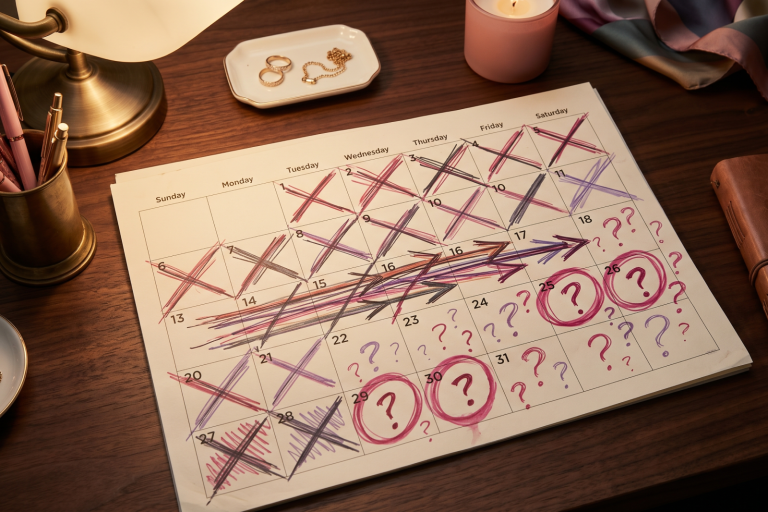
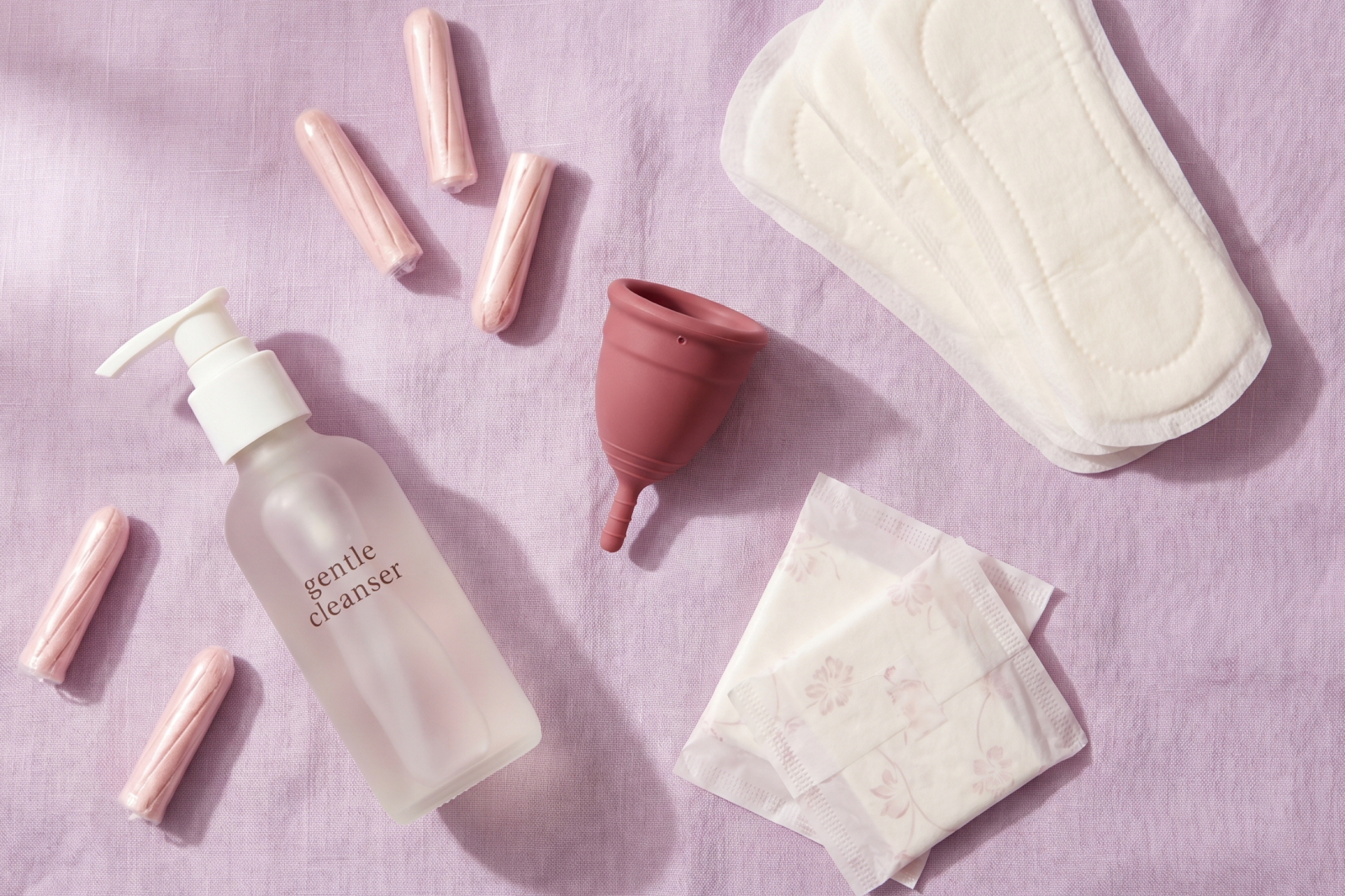
Menstrual hygiene products include everything used to manage period flow — pads, tampons, menstrual cups, period underwear, and cleansing tools like intimate washes and portable bidets. According to ACOG, choosing the right product for your body, flow, and lifestyle directly affects vaginal health and comfort during your cycle. For anyone tracking their cycle or trying to conceive, maintaining a healthy vaginal environment during menstruation can also support overall reproductive health.
There’s no shortage of options when it comes to period products, and that’s genuinely a good thing. But more options also mean more decisions, and not all products are created equal when it comes to safety, comfort, and long-term vaginal health. This guide breaks down what options are out there, what gynecologists and ACOG commonly recommend, and how to figure out what works best for your body.
Key Takeaways
- Menstrual hygiene products range from disposable (pads, tampons) to reusable (cups, period underwear), each with different safety, comfort, and environmental profiles.
- ACOG recommends unscented products to reduce irritation and preserve vaginal pH.
- Menstrual cups have the lowest risk of irritation for most users but require proper cleaning between uses.
- Tampons carry a small risk of Toxic Shock Syndrome (TSS). Always use the lowest absorbency for your flow and change every 4–8 hours.
- Portable bidets can provide a gentle option for external cleansing during menstruation without disrupting vaginal pH.
- Scented products, douches, and harsh soaps are among the most common causes of vaginal irritation and odor.
- Tracking your cycle with Premom helps you anticipate your period, plan product use, and monitor how your cycle changes over time.
Key Terms Explained
- Menstrual hygiene products: Any product used to absorb, collect, or manage menstrual flow, or to maintain cleanliness during menstruation.
- Vaginal pH: The acidity level of the vaginal environment. Normal vaginal pH is 3.8–4.5. Scented products, soaps, and douching can disrupt this balance and increase infection risk.
- Toxic Shock Syndrome (TSS): A rare but serious bacterial infection associated with tampon use, particularly highly absorbent tampons left in too long. Risk is reduced by using the lowest effective absorbency and changing tampons regularly.
- Intimate wash: A cleanser formulated for the external vulvar area, pH-balanced to avoid disrupting vaginal flora. Not intended for internal use.
- Vaginal microbiome: The community of bacteria, primarily Lactobacillus strains, that keep the vaginal environment healthy and resistant to infection.
What Are Menstrual Hygiene Products?
Menstrual hygiene products are the tools used to manage your period — from absorbing or collecting flow to keeping the vulvar area clean throughout your cycle. Today, options range from disposable products like pads and tampons to reusable products such as menstrual cups, period underwear, and portable bidets.
Feminine Hygiene Products List: A Complete Overview
The full range of period and feminine hygiene products currently available:
- Disposable pads (regular, overnight, panty liners)
- Tampons (with or without applicator, varied absorbency)
- Menstrual cups and menstrual discs
- Period underwear
- Reusable cloth pads
- Intimate washes and vulvar cleansers
- Portable bidets
- Menstrual cup wash and sterilizing products
What Is Considered a Feminine Hygiene Product?
Feminine hygiene products include anything used to manage menstrual flow or maintain cleanliness of the external genital area. That covers absorptive products (pads, tampons, period underwear), collection devices (cups, discs), and cleansing products (intimate washes, portable bidets). It does not include internal cleansers or douches — those are not recommended by ACOG or most gynecologists, as they disrupt the vaginal microbiome and increase infection risk.
Types of Menstrual Products Compared: Pads, Tampons, Cups and More
Use the table below to compare the main options across the factors that matter most:
| Produkt | Wiederverwendbar? | TSS-Risiko | Am besten geeignet für | Vermeiden, wenn |
|---|---|---|---|---|
| Einwegbinde | Nein | Keines | Starke Blutung, über Nacht, nach der Geburt | Empfindliche Haut (auf Duftstoffe achten) |
| Tampon | Nein | Niedrig (bei richtiger Anwendung) | Aktive Tage, Schwimmen | TSS-Vorgeschichte; über Nacht |
| Menstruationstasse | Ja | Sehr niedrig | Lange Tage, starke Blutung, umweltbewusste Nutzerinnen | Erstanwenderinnen mit Spirale (mit medizinischer Fachkraft abklären) |
| Periodenunterwäsche | Ja | Keines | Leichte Tage, zusätzlicher Schutz | Sehr starke Blutung (allein) |
| Wiederverwendbare Stoffbinde | Ja | Keines | Empfindliche Haut | Nutzerinnen, denen Bequemlichkeit wichtig ist |
| Menstruationsdisc | Teilweise (wiederverwendbare Optionen verfügbar) | Sehr niedrig | Sex während der Periode, starke Blutung | Wenn das Einführen unangenehm ist |
| Tragbares Bidet | Ja | Keines | Tägliche Reinigung, Hygiene nach dem Toilettengang | Transport/Reinigung des Geräts |
Sanitary Pads and Period Pads: Types and How to Choose
Pads sit outside your body and absorb menstrual flow. They come in a range of absorbencies — panty liners for spotting or light days, regular for moderate flow, overnight and extra-long for heavier days or sleeping. When choosing a pad:
- Opt for unscented whenever possible. Scented pads are one of the more common causes of vulvar irritation and contact dermatitis.
- Match absorbency to your actual flow. Using a heavier pad than you need increases friction and moisture against the skin.
- If you have sensitive skin, look for organic cotton options — they’re free from chlorine bleach and synthetic fragrances.
- Change every 4–6 hours, or sooner if fully saturated, to reduce bacterial buildup and odor.
Tampons: How They Work and Safe Usage Guide
Tampons are inserted into the vaginal canal and absorb flow internally. They’re the go-to for swimming, sports, and any activity where a pad isn’t practical. Safe usage comes down to a few rules that genuinely matter:
- Use the lowest absorbency that covers your flow. High-absorbency tampons left in too long are the primary TSS risk factor.
- Change every 4–8 hours without exception. Don’t sleep in a tampon if you’ll be asleep for more than 8 hours.
- Never use two at once.
- If you notice a sudden high fever, rash, or flu-like symptoms while using a tampon, remove it and contact your provider immediately — these are early TSS warning signs.
- Choose unscented. Scented tampons can disrupt vaginal pH and cause irritation deeper in the vaginal canal where the tissue is more sensitive.
Menstrual Cups: Benefits, Risks, and Care
A menstrual cup is a small, flexible silicone or rubber cup inserted into the vaginal canal to collect flow rather than absorb it. Most cups can hold flow for up to 12 hours, making them a solid option for heavy periods and long days.
Benefits:
- Reusable for years with proper care — significantly lower environmental impact and cost over time
- No TSS risk comparable to tampons when used correctly
- No dryness or irritation of the vaginal walls (unlike tampons, which absorb natural moisture along with flow)
- Can be worn during exercise, swimming, and sleep
The learning curve is real. Getting the fold and insertion right takes a few tries. But once you have it, it’s reliable.
Care matters. Empty and rinse every 8–12 hours during your period. Between cycles, boil in water for 5–10 minutes or use a dedicated menstrual cup wash. Store in a breathable cotton bag, not an airtight container.
If you have an IUD, check with your provider before switching to a cup, there’s a small theoretical risk of dislodging the IUD strings, though evidence on this is mixed.
Period Underwear and Reusable Pads: Eco-Friendly Options
Period underwear looks and fits like regular underwear but has built-in absorbent layers that hold menstrual flow. Reusable cloth pads work on the same principle as disposable pads, but wash and reuse. Both are practical for light to moderate flow days and for backup protection alongside a cup or tampon. What to know:
- Absorbency varies widely by brand; check manufacturer ratings before relying on them for heavy flow days.
- Wash according to the manufacturer’s instructions; most require a cold rinse before machine washing to prevent staining and odor buildup.
- They take 2–3 cycles to figure out which absorbency works for your flow on which days.
Portable Bidet for Menstrual Hygiene: How It Helps
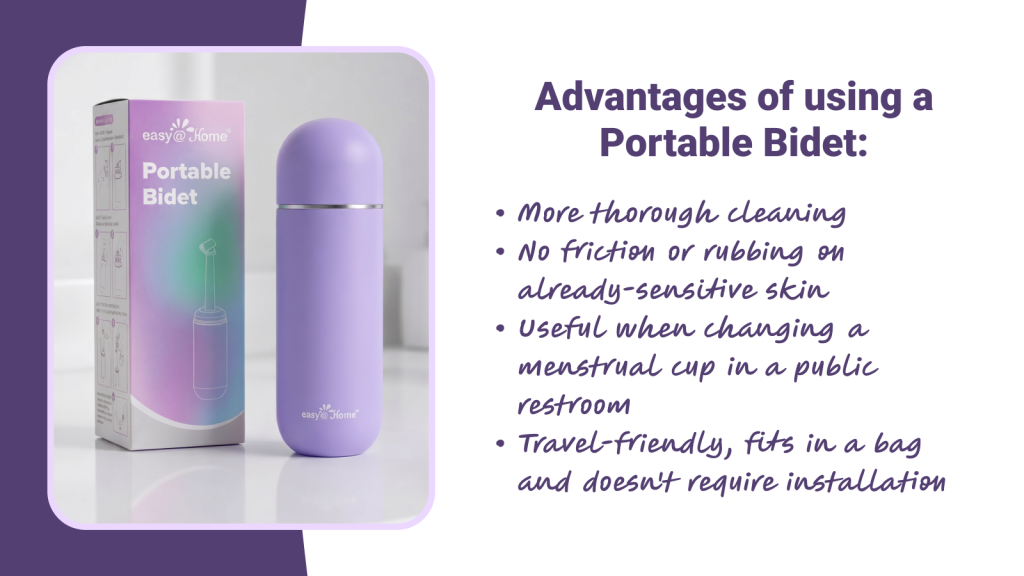
A portable bidet is a small, handheld device that delivers a gentle stream of water for external cleansing — no toilet installation required. During your period, it’s useful for cleaning the vulvar area after changing a product, after using the bathroom, or any time you want to feel cleaner than toilet paper alone allows.
It should not be used to clean internally (inside the vaginal canal), which would disrupt the vaginal microbiome the same way douching does. Used correctly, it’s a hygiene-forward option that doesn’t interfere with vaginal pH or flora.
It’s particularly useful when access to a shower is limited (travel, long work days, camping) and for people who find the combination of period flow and bathroom visits uncomfortable to manage with just wipes or paper.
What Is the Healthiest Menstrual Product to Use?
The healthiest menstrual product is the one that manages your flow without disrupting your vaginal pH, irritating your skin, or introducing unnecessary chemicals. Based on current evidence and ACOG guidance, menstrual cups and unscented organic cotton pads consistently come out as the options with the lowest irritation and chemical exposure risk.
Which Is the Safest Period Product for Sensitive Skin?
For sensitive skin, unscented organic cotton pads or period underwear are the lowest-risk options — they minimize friction, have no synthetic fragrance, and don’t require internal insertion. Menstrual cups are also well-tolerated by most sensitive skin users since they don’t contact the external vulvar skin at all. Tampons with plastic applicators or synthetic materials can cause irritation in sensitive users; if tampons work for your lifestyle, look for organic cotton options with cardboard or no-applicator designs.
Which Sanitary Pads Are the Safest to Use?
The safest sanitary pads are unscented, fragrance-free, and ideally made from organic cotton. Conventional pads can contain chlorine-bleached materials, synthetic fragrances, and plastic backing that traps heat and moisture. Look for pads that are certified organic (GOTS or OEKO-TEX), fragrance-free, and free from chlorine bleaching. Several brands now offer fully compostable options with no synthetic components.
What Is the Most Hygienic Thing to Use for Periods?
From a hygiene standpoint, a properly maintained menstrual cup tends to rank among the highest — it collects flow internally without exposure to external bacteria, doesn’t require frequent changes (up to 12 hours), and when sterilized between cycles, carries minimal contamination risk. That said, “hygienic” depends heavily on how a product is used. A tampon changed on schedule is hygienic. One left in for 12 hours isn’t. The product matters less than the habits around it.
Best Feminine Hygiene Products for Your Period: What Doctors Recommend
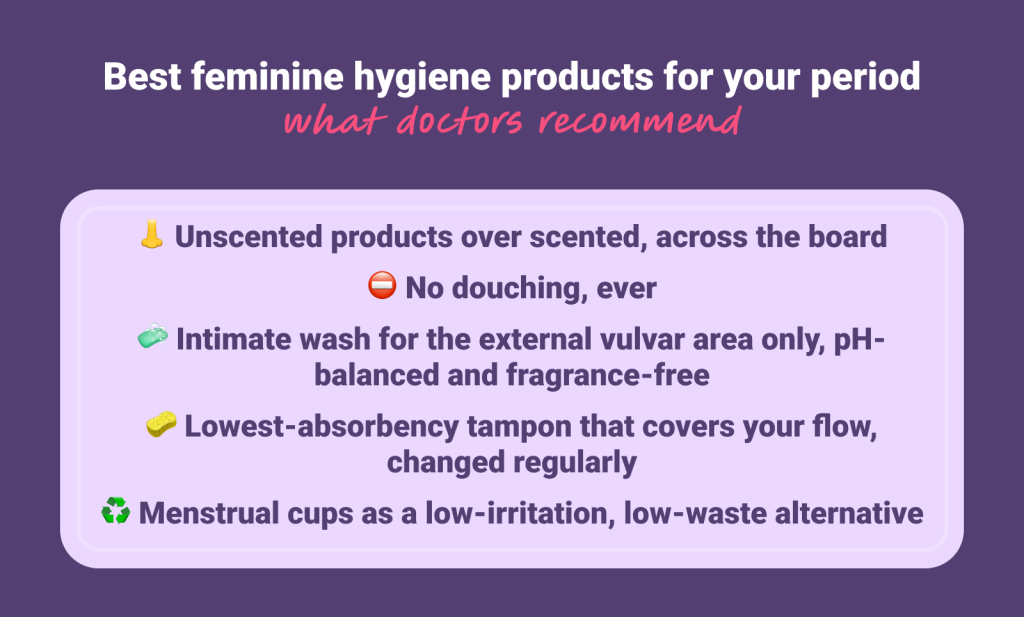
ACOG and most gynecologists have a fairly consistent set of recommendations when it comes to period and feminine hygiene products:
- Unscented products over scented, across the board
- No douching
- Intimate wash for the external vulvar area only, pH-balanced and fragrance-free
- Lowest-absorbency tampon that covers your flow, changed regularly
- Menstrual cups as a low-irritation, low-waste alternative
Best Feminine Wash Product Recommended by Doctors
Most gynecologists recommend washing the external vulvar area with warm water alone, or with a gentle, pH-balanced intimate wash if you prefer a cleanser. The vagina itself is self-cleaning — it doesn’t need soap, and using soap internally disrupts the natural Lactobacillus balance that keeps infections at bay. What to look for in an intimate wash:
- pH between 3.5 and 4.5 (matched to the natural vaginal environment)
- Fragrance-free
- Free from parabens, sulfates, and harsh preservatives
- Formulated specifically for the vulvar area, not repurposed body wash
What Are Good Feminine Hygiene Products for Females?
A practical everyday kit for period hygiene:
- Your preferred flow management product (cup, tampon, pad, or period underwear)
- A pH-balanced, fragrance-free intimate wash for external cleansing
- A portable bidet, if you’re on the go a lot
- Unscented wipes for quick changes when a bathroom isn’t available
- Menstrual cup wash or sterilizing tablets if you use a cup
What Are the Must-Haves of Feminine Hygiene?
Basic menstrual hygiene practices are often more important than using multiple specialized products. A flow management product that matches your absorbency needs, warm water for external cleansing, and regular changes (every 4–8 hours for tampons, 4–6 for pads, up to 12 for cups). Everything else is optional. Scented sprays, heavily marketed feminine washes, and “balancing” supplements are largely unnecessary for someone with a healthy vaginal microbiome.
What Is the Best Product for Feminine Odor?
Normal menstrual odor is a result of blood meeting air — it’s not a hygiene failure. Products marketed specifically for menstrual odor (scented pads, deodorant sprays, scented tampons) typically make things worse by irritating the tissue and disrupting pH, which can actually increase bacterial odor.
The best feminine hygiene product for odor isn’t a scented product — it’s regular product changes and external cleansing with water or a pH-balanced intimate wash. Changing your pad or tampon every 4–6 hours prevents the bacterial buildup that causes odor. A portable bidet or fragrance-free wipes after bathroom visits help in between changes.
If odor is strong, unusual, or accompanied by unusual discharge outside of your period, that’s worth discussing with your provider — it may signal BV or another vaginal infection rather than a hygiene issue.
Feminine Care Items to Avoid: Ingredients That Cause Odor and Irritation
Products and ingredients that frequently cause more problems than they solve:
- Scented pads and tampons, synthetic fragrance directly against sensitive tissue
- Douches and vaginal sprays, disrupt vaginal flora and often cause the odor they claim to prevent
- Soap inside the vaginal canal, strips natural protective bacteria
- Pads or liners with plastic backing worn for extended periods, trap heat and moisture, increasing bacterial growth
- Products with parabens, dioxins, or chlorine-bleached materials, associated with irritation and, in the case of dioxins, broader health concerns with long-term exposure
- High-absorbency tampons used on light flow days, over-absorb and dry out vaginal tissue
How Often Should a Woman Wash During Her Period?
Washing the external vulvar area once or twice daily is sufficient for most people during their period — once in the morning and once in the evening, or after particularly heavy flow. There’s no evidence that washing more frequently during your period improves hygiene or reduces infection risk. What does make a difference is changing period products on schedule and rinsing after using the bathroom, which is where a portable bidet can be especially helpful.
How a Portable Bidet Supports Menstrual Hygiene Daily
A portable bidet delivers a controlled stream of water for external cleansing after using the bathroom. During your period, that means cleaning the vulvar area after every bathroom visit without needing a shower or relying on wipes that can drag bacteria toward the urethra.
The practical advantages:
What Is a Bidet and How Does It Help With Period Hygiene?
A bidet is a device that uses water to clean the external genital and anal area after using the toilet. Traditional bidets are built into toilet fixtures; portable bidets are handheld squeeze bottles or electric devices that do the same thing without any installation. During your period, the main benefit is cleaner, gentler external hygiene between product changes. Water is less irritating than toilet paper on sensitive tissue, and cleaning after every bathroom visit reduces the accumulation of blood and bacteria on the external skin.
Menstrual Hygiene Awareness: Why Your Product Choice Matters
The products you use during your period have a direct effect on your vaginal pH, your microbiome, and your risk of infection. For anyone trying to conceive, that matters beyond just comfort. A healthy vaginal environment supports sperm survival, cervical mucus quality, and overall reproductive health.
Sanitary Protection for Heavy Periods: Which Product Holds Up?
For heavy flow days, the options that hold up best:
- Overnight pads — high-absorbency with extended coverage; change every 4–6 hours even on heavy days
- Menstrual cups and discs — can hold significantly more volume than a tampon or pad (up to 30ml vs. a tampon’s 5–12ml) and can go longer between empties
- Period underwear as backup — worn under a cup or disc for additional protection on very heavy days
- Super or super-plus tampons — effective for active, heavy-flow days, but change strictly on schedule
A combination approach works well for many people with heavy periods: a cup or disc as the primary product plus period underwear as backup.
Menstrual Cup Wash and Reusable Product Care Guide
Reusable products last years, but only with proper care:
During Your Cycle:
- Empty your cup every 8–12 hours (more frequently on heavy days)
- Rinse with cold water first, then warm — cold water prevents staining
- Wash with a dedicated menstrual cup wash or unscented mild soap
- If you’re in a public restroom and can’t rinse, wipe with toilet paper and clean properly at your next opportunity
Between Cycles:
- Boil the cup in water for 5–10 minutes, or use sterilizing tablets
- Allow to dry fully before storing
- Store in a breathable cotton bag, not a sealed container
- Inspect for discoloration, scratches, or material breakdown — replace if the silicone feels tacky or shows visible damage
For Period Underwear and Cloth Pads:
- Cold rinse immediately after use to prevent staining
- Machine wash on a gentle cycle with fragrance-free detergent
- Air dry when possible; high heat breaks down the absorbent layers over time
- Don’t use fabric softener — it coats the absorbent fibers and reduces effectiveness
Because menstrual health, vaginal health, and ovulation patterns are all connected, tracking changes across cycles can provide additional insight into overall reproductive health.
How Premom Helps You Track Your Cycle and Choose the Right Period Product
Your period is the reset point of your cycle — and knowing when it’s coming, how long it tends to last, and how your flow changes across cycles helps you recognize ovulation patterns and changes over time. The Premom app lets you log period start and end dates, flow intensity, and symptoms, building a record of your cycle over time.
That data feeds into better fertile window predictions and helps you spot patterns — a heavier flow than usual, a shorter cycle, spotting where you don’t normally have it — that might be worth raising with your provider.
For anyone trying to conceive, the connection between menstrual health and fertility isn’t abstract. A disrupted vaginal microbiome can affect the environment sperm need to survive and move effectively. Used alongside easy@Home ovulation test strips and BBT tracking, Premom gives you a complete view of your cycle — period through fertile window — providing a more complete view of cycle timing and fertility patterns across the menstrual cycle.
Finding the Best Menstrual Hygiene Product for You
There’s no single best menstrual hygiene product for everyone. What matters is that your product of choice manages your flow without disrupting your vaginal environment, fits your lifestyle, and gets changed on a schedule that keeps things clean. Start with unscented, match absorbency to your actual flow, and skip the scented extras — they can increase irritation and disrupt vaginal pH for some individuals. Track your cycle with Premom so you can anticipate your period, understand how it changes over time, and bring real data to your provider if something shifts.
Frequently Asked Questions About Menstrual Hygiene Products
Menstrual cups and unscented organic cotton pads consistently rank as the healthiest options based on chemical exposure, irritation risk, and vaginal pH impact. Cups collect rather than absorb, so they don’t dry out vaginal tissue. Organic cotton pads avoid synthetic fragrances and chlorine-bleached materials. Whichever product you choose, unscented and changed regularly beats scented and left too long every time.
For everyday use, unscented pads or period underwear carry the lowest risk profile, no insertion required, no TSS risk, and no internal pH disruption. For active days or preference for internal protection, organic cotton tampons changed every 4–8 hours are safe with consistent use. Menstrual cups are safe for everyday use across the cycle once you’re comfortable with insertion and a regular cleaning routine.
A properly maintained menstrual cup is often cited as the most hygienic option because it collects flow internally in a sealed environment, can go up to 12 hours between empties, and when boiled between cycles has minimal contamination risk. That said, any product used correctly and changed on schedule is hygienic. Habit matters as much as product type.
Regular product changes and external cleansing with water or a pH-balanced intimate wash. Scented products don’t reduce odor, they mask it temporarily and often cause irritation that leads to more odor over time. If odor is strong or unusual outside of your period, that’s a signal to see your provider rather than reach for a scented product.
ACOG and most gynecologists recommend: unscented pads or tampons (or a menstrual cup), warm water or a pH-balanced fragrance-free intimate wash for external cleansing, and no douching under any circumstances. For tampon users, always use the lowest absorbency for your flow and change every 4–8 hours. For sensitive skin, organic cotton products are the first recommendation.
Pads every 4–6 hours, or sooner if saturated. Tampons every 4–8 hours, never longer than 8 hours, and don’t sleep in one. Menstrual cups every 8–12 hours depending on flow. Period underwear as needed based on absorbency capacity and flow. Regular changes are the single most effective thing you can do for period hygiene regardless of which product you use.
Yes, particularly if you’re changing products frequently or spending long days away from home. A portable bidet cleans the external vulvar area with water after using the bathroom, more thorough than toilet paper and gentler on sensitive skin during your period. It’s also useful when emptying a menstrual cup in a public restroom. Just make sure you’re directing the water stream at the external area, not internally.
Premom lets you log your period start date, flow intensity, and symptoms each cycle, which builds a record you can actually use. Knowing when your period is coming means you can prepare the right products ahead of time. Tracking flow changes across cycles helps you spot anything that seems off. And if you’re trying to conceive, your period data feeds directly into Premom’s fertile window predictions, so your cycle health and your conception timing live in the same place.