

Spotting blood in your cervical mucus can feel alarming—especially if you’re trying to conceive and monitoring every change in your cycle. Before assuming something is wrong, it helps to know that light pink or brown streaks often have simple hormonal explanations. This guide explains the most common causes, how to track what you see, and when it’s best to call your healthcare provider. If you are concerned about any bleeding, however, always reach out directly to your healthcare provider for personalized guidance.
Understanding Blood in Cervical Mucus
Cervical mucus reflects the hormonal rhythm of your cycle. It becomes stretchy and clear when estrogen peaks, then thicker as progesterone rises. Seeing streaks of pink, red, or brown can be unsettling, but in many cases, this change is normal. Understanding the timing and accompanying symptoms is key to knowing whether to simply note it or seek medical advice.
Normal Reasons You Might See Blood in Cervical Mucus
Ovulation Spotting and Cervical Mucus
A temporary dip in estrogen just before the luteinizing hormone (LH) surge can break small surface vessels in the uterus or cervix. The result is light pink or brown spotting mixed with fertile, egg-white mucus that usually lasts only a day or two around mid-cycle. This type of spotting often appears on cycle days 12–16 in a typical 28-day cycle and may come with mild lower-abdominal twinges (mittelschmerz). It’s harmless and can even confirm that you’re in a fertile window.
Implantation Bleeding Mixed with Cervical Mucus
About 6–12 days after ovulation, a fertilized egg may attach to the uterine wall. Tiny blood vessels can rupture, leading to very light pink or brown streaks combined with cervical mucus. Implantation bleeding is usually far lighter than a period and rarely lasts more than a few days.
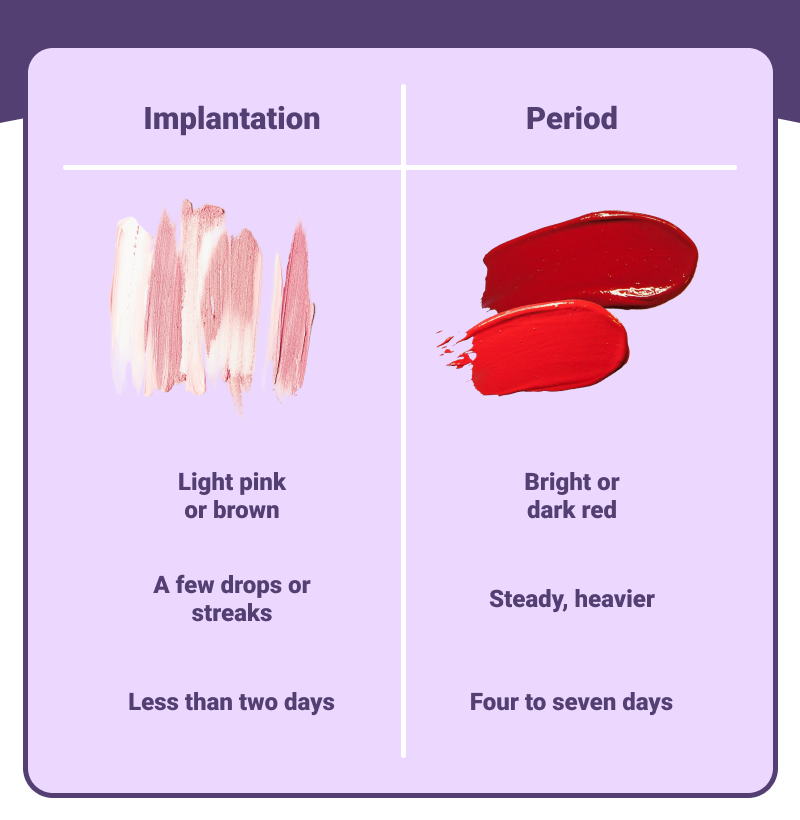
Not everyone experiences implantation bleeding, so its absence does not rule out pregnancy.
Bloody Discharge Before Your Period
As progesterone levels fall and the uterine lining begins to break down, brown or pink mucus can appear a day or two before full menstruation. This pre-period spotting is a normal part of the cycle and doesn’t require treatment.
Blood in Cervical Mucus During Early Pregnancy
In early pregnancy, increased blood flow and a softer cervix make light spotting common. Hormonal changes can also thin cervical tissue, creating occasional pink or brown mucus. If you’re curious about how cervical mucus typically looks during this time, check out our full guide on cervical mucus in early pregnancy. While mild streaking is usually benign, heavy bleeding or cramping should prompt a call to your healthcare provider to rule out complications.
When It Might Be Something Else
Most spotting is harmless, but sometimes a little blood shows up for reasons that aren’t tied to your regular cycle. It’s worth checking in with your healthcare provider if you notice any of these red flags:
- Bright-red bleeding that’s more than just a few streaks
- A strong or unusual odor
- Cramping, pelvic pain, or a fever
- Spotting that keeps coming back after sex
- If you feel concerned
These signs don’t automatically mean something serious, but they do deserve a professional look. A doctor or midwife can rule out common issues like minor cervical changes, small growths called polyps, or simple infections that can irritate delicate tissue.
Sometimes spotting can also pop up when you start or stop hormonal birth control, have an IUD, or if conditions like endometriosis or fibroids are present. Your provider might suggest a gentle exam or an ultrasound to figure out what’s going on and help you feel confident moving forward.
Lifestyle Factors That Can Contribute
While hormones are the most common reason for spotting, certain habits or situations can play a role. Intense or sudden increases in exercise, significant weight changes, or high stress can subtly shift hormone levels. Vaginal dryness or friction during sex can also cause minor cervical irritation. Gradually increasing exercise, maintaining balanced nutrition, and using a gentle, unscented lubricant during sex may reduce occasional spotting.
How to Track and Understand Spotting
Tracking helps you distinguish normal hormonal changes from issues that need attention.
Daily observations: Note the color and texture of your mucus—clear, pink, brown, or red streaks—and whether it feels watery, sticky, or stretchy. Record the cycle day when spotting appears and log any other symptoms such as cramps, breast tenderness, or a basal body temperature (BBT) shift.
Combine methods for accuracy:
- Cervical mucus charting to observe texture changes.
- Ovulation predictor kits (OPKs) to track the LH surge—spotting near a positive result usually means ovulation is right around the corner.
- BBT tracking for identifying that ovulation likely occurred.

The Premom app lets you record all three data points in one place. Over a few cycles, you’ll start to see patterns, like spotting that consistently happens around ovulation or just before your period.
When to Seek Medical Advice
Contact your healthcare provider if you experience:
- Heavy or bright red bleeding outside your period
- Spotting with strong odor, pain, or fever
- Bleeding after intercourse that recurs
- Bleeding in pregnancy
Occasional light spotting is common, but ongoing or painful symptoms should be checked.
How Premom May Help Reduce Anxiety
Spotting mixed with cervical mucus can be confusing when you’re trying to conceive. The Premom app simplifies tracking by allowing you to log cervical mucus changes, chart BBT, and store OPK results all in one place. You can compare pregnant versus non-pregnant cycle patterns and share detailed reports with your healthcare provider.
You can also pick up Premom’s Easy@Home Ovulation & Pregnancy Test Combo Kits to help identify your most fertile days and check for early pregnancy with confidence.
Frequently Asked Questions About Blood in Cervical Mucus
Light streaks in early pregnancy are common. Heavy red bleeding, especially with cramps or clots, requires urgent medical attention.
Yes. Increased cervical sensitivity—especially near ovulation or during pregnancy—can lead to mild spotting after intercourse.
Yes. Progesterone often increases discharge once pregnancy begins.
If spotting occurs about a week after ovulation, a pregnancy test in a few days can help confirm.
References
Li D, Chen X, Li R, et al. Luteal phase deficiency in reproductive medicine: current perspectives. Front Endocrinol (Lausanne). 2021;12:620875. https://doi.org/10.3389/fendo.2021.620875
Ecochard R, Leiva R, Bouchard T, et al. Use of urinary pregnanediol 3-glucuronide and other fertility indicators to identify the fertile window. Fertil Steril. 2017;107(2):361-368. https://doi.org/10.1016/j.fertnstert.2016.10.038
Stanford JB, Dunson DB. Effects of sexual intercourse patterns in time to pregnancy: cohort study. BMJ. 2007;335(7620):66. https://doi.org/10.1136/bmj.39267.522282.BE


