
Choosing your first prenatal can feel overwhelming, but keeping these simple guidelines in mind will help you select a great option. This guide is designed to cut through the marketing noise. We’ll walk you through how to evaluate these supplements step by step, so you can stop second-guessing and start your journey with confidence.
Key Takeaways: Choosing a Prenatal Vitamin for TTC
- Prioritize Absorption: Look for quality forms of nutrients such as methylfolate (the active form of folate) and gentle iron bisglycinate to avoid the dreaded “prenatal constipation.”
- Start Sooner Than You Think: It takes time to build up nutrient stores; starting 3–6 months before you plan to conceive is the clinical recommendation.
- Partner Support Matters: Sperm health is 50% of the equation. Men should look for a multivitamin that includes nutrients such as Zinc, Selenium, CoQ10, and antioxidants at least 90 days before trying.
Why Choosing the Right Prenatal Matters (Not All Are the Same)
Not all prenatal vitamins are created equal. In fact, the word prenatal itself is not strictly regulated. It simply means the supplement is marketed for pregnancy or preconception.
That means two prenatals can look similar on the front of the bottle but be very different in:
- Nutrient completeness
- Ingredient forms
- Dosage balance
- Digestive tolerance
This article is designed as a prenatal buyer’s guide, helping you understand how to compare prenatal vitamins using clear criteria.
Step 1: Start With the Nutrients That Matter Most
When you look at the supplement facts, these are the non-negotiables for a healthy preconception period:
Key Nutrients to Look For
- Methylated Folate (Not just Folic Acid): Look for 400−800 mcg DFE of Folate, preferably in a bioavailable form like methylfolate or a combination of folic acid and methylfolate. Methylfolate is especially important for people with certain genetic variations that make it harder to process standard folic acid. This distinction is crucial because a significant portion of the population, estimated to be 30% to 50%, may be a carrier.
- Iron: Not too much, not too little. Look for around 18 mg. You can look for a gentle form (like iron bisglycinate) to help avoid constipation. Too much is unsafe for your liver and can be constipating, you’ll want your doctor to continue to monitor you for signs of anemia during pregnancy. Sometimes, additional separate iron supplementation is required.
- Choline: Ideally, look for a product that includes around 225mg of Choline to make up for any dietary gaps, this nutrient is often overlooked but critical for the baby’s brain.
- Iodine: Look for Iodine to support thyroid function and fetal brain development.
- A Separeate DHA Fish Oil: If your prenatal does not include DHA, plan to take a high-quality, pure fish oil supplement alongside it.
Step 2: What to Avoid or Be Cautious About in Prenatals
More is not always better. In fact, “mega-dosing” certain vitamins can be counterproductive or even unsafe.
- Excess Vitamin A: You want your Vitamin A to come primarily from Beta-Carotene. High doses of Retinyl Palmitate (the active form) can actually be harmful to a developing embryo.
- Excess Iron: While iron is essential, your prenatal shouldn’t provide an excessive dose unless specifically prescribed by your doctor due to anemia (often from iron deficiency). Too much iron can cause severe constipation, digestive upset, and, in rare cases, liver damage if taken in very high quantities. Always consult your doctor about the best dosage for your specific needs.
- Overlapping Supplements: Don’t take a prenatal and a regular multivitamin. This can lead to over-dosing on fat-soluble vitamins (A, D, E, K).
- Artificial Dyes: Your vitamins don’t need to be bright red or blue. Steer clear of unnecessary fillers and synthetic colors.
- Quality and Transparency: Look for brands that third-party test their products (so you know what’s on the label is actually in it), are made in the USA with globally sourced ingredients, use doctor-formulated formulas, and are manufactured in NSF-certified facilities.
If you aren’t sure where to start when choosing a prenatal vitamin, you should consult your healthcare provider who should be able to provide recommendations based on your specific needs.
Step 3: How to Read a Prenatal Vitamin Label Like a Pro
Supplement labels don’t have to be intimidating once you know what to look for.
What to Check First
- Serving size (one pill vs multiple capsules)
- Nutrient forms (methylfolate vs folic acid, iron type)
- % Daily Value (how much of your daily need it covers)- keep in mind, daily value is the minimum required nutrients, not the maximum safety threshold
Common Label Red Flags
Be cautious of proprietary blends, which combine multiple ingredients without revealing exact dosages, making it hard to assess what you are actually getting.
Watch for prenatals that are missing key nutrients such as iodine or choline, which are essential but often overlooked. Artificial dyes, unnecessary fillers, or sweeteners are also red flags, as they add no nutritional value.
Lastly, be wary of extremely high doses of certain vitamins or minerals without a clear medical reason, as more is not always better and can sometimes do more harm than good.
Step 4: Match Your Prenatal to Your Body and Lifestyle
The “best” prenatal is the one you actually remember to take. If a pill is so large it’s hard to swallow, or if it makes you feel queasy, you won’t stay consistent.
Dietary Preferences and Sensitivities
Your diet and tolerance can change what “best” looks like for you.
- Vegan or vegetarian: Look closely for vitamin B12 and iron, and plan for DHA (many people add a separate fish oil if it is not included or vegan DHA).
- Capsules vs tablets: Capsules are often easier to digest than tablets for people with sensitive stomachs.
- Nausea tips: If prenatals make you feel queasy, try taking them right before bed with a small snack. It allows your body to process the nutrients while you sleep. Or, taking it with a ful meal, such as your lunch, can prevent unnecessary nausea.
Some situations may require more personalized choices. PCOS, history of anemia, or genetic folate processing differences can change what you need.
If you have any medical conditions, are taking medications, or are unsure about dosing, it is best to check in with your healthcare provider.
Can You Just Eat Healthier Instead?
Food First — But Supplements Fill the Gaps
The desire to “just eat healthier” is wonderful and absolutely valid! We always recommend a food-first approach to nutrition. Eating a balanced diet rich in fruits, vegetables, lean proteins, and whole grains is foundational to health.
However, even the most diligent eaters can face challenges:
- Bioavailability: Some nutrients (like iron) are less easily absorbed from plant sources than from animal sources.
- Modern Diets: Soil depletion can affect the nutrient content of produce.
- Inconsistency: Life happens! Supplements ensure you hit those essential minimums even on days when your diet isn’t perfect.
Prenatal Vitamins as Nutritional Insurance
Think of your healthy diet as your primary safety net and prenatals as a back-up-plan, not a replacement for healthy food.
Do Prenatal Vitamins Help Men While Trying to Conceive?
We often forget that sperm takes about 72 to 90 days to fully develop. What your partner eats today affects the sperm quality of three months from now.
Men should look for a formula specifically designed for reproductive health rather than just a generic multivitamin. Key players include:
| Nutrient | Primary Function | Impact on Fertility |
|---|---|---|
| Zinc | Creation and structure of sperm | Supports healthy testosterone metabolism and sperm formation. |
| Folate | DNA synthesis | Helps reduce sperm DNA fragmentation for better genetic health.* |
| CoQ10 | Energy production (Antioxidant) | Boosts “swimming power” (motility) by providing cellular energy.* |
| DHA / Omega-3s | Structural health | Directly linked to improved sperm motility and fluidity.* |
| Antioxidants (A, C, E) | DNA protection | Shields sperm cells from damage caused by free radicals.* |
| Acetyl L-Carnitine | Sperm maturation | Concentrated in the epididymis to support both sperm count and motility.* |
| Ashwagandha | Stress management | Helps manage cortisol and supports healthy testosterone levels.* |
Should Men Take “Men’s Prenatal” Supplements?
Men absolutely benefit from optimizing their nutrition during the preconception period. While a standard multivitamin covers general health, a man who is actively in the “TTC” phase should consider a formula specifically designed for reproductive performance.
This is where a doctor-formulated supplement like Premom Sperm Fortify comes in. Unlike a generic multivitamin, Sperm Fortify is a men’s fertility-focused formula specifically designed to support the three pillars of sperm health: count, motility, and morphology*.
By providing concentrated doses of CoQ10, Antioxidants A, C &E, Zinc & Selenium, along with L-Carnitine and KSM-66 Ashwaganda, it helps bridge the nutritional gaps that can affect a couple’s timeline to conception.* Encouraging your partner to join you in a healthier supplement routine is a wonderful, supportive step to take together.
Recommended Prenatal Option for TTC Women
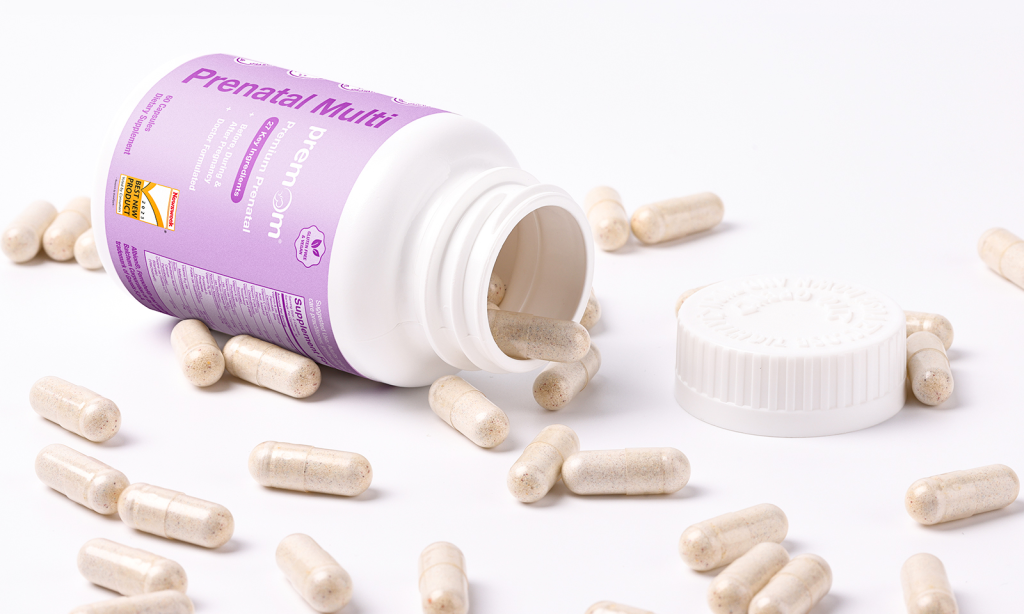
When you’re ready to start, we recommend a product designed specifically for your stage: the Premom Prenatal Multivitamin.
This Prenatal Multivitamin is an excellent choice because it is doctor formulated with nutrients needed for preconception and pregnancy.
- Beginner-Friendly Formulation: Includes the ideal balance of Methylfolate, Iron, Iodine,Choline and a full spectrum of other vitamins and minerals.
- Designed for Preconception: It supports you if you are still learning and preparing your body for a future pregnancy, providing an essential foundation while you focus on learning your cycle.
*These statements have not been evaluated by the Food and Drug Administration. This product is not intended to diagnose, treat, cure, or prevent any disease.
How to Choose a Prenatal Vitamin When Trying to Get Pregnant – FAQs
Look for a prenatal that covers the core “must-haves” for preconception and early pregnancy: folate (ideally methylfolate or a blend), iron, iodine, vitamin D, and vitamin B12. Many people also benefit from a prenatal that includes choline, since it is commonly missing in formulas. Most prenata multivitamins don’t contain DHA (and for good reason) plan to pair it with a high-quality omega-3 (fish oil) supplement so you can get adequate levels of DHA
Talk to your doctor for the best decision for you, but likely yes! If you are trying to conceive, starting a prenatal now is a practical step because early pregnancy development begins before many people know they are pregnant. Taking a prenatal consistently helps ensure you are meeting key nutrient needs during the weeks that matter most.
Avoid stacking supplements in a way that causes you to “double up.” The most common issue is taking a prenatal plus a regular multivitamin, which can push certain nutrients too high—especially fat-soluble vitamins (A, D, E, K) that build up in the body. Also be cautious with high-dose vitamin A in retinol/retinyl palmitate form unless specifically recommended by a clinician. If you are considering extra single-nutrient supplements (like iron or vitamin D), it is best to confirm dosing with your healthcare provider.
For most healthy adults, taking a prenatal while not pregnant is generally safe, and many people do it while preparing for pregnancy. The most common downsides are mild and practical—like nausea, constipation, or stomach upset, often due to iron. Taking your prenatal with food, at night, or choosing a gentler iron form can help. If you have health conditions or take medications, check with your healthcare provider before starting.
A high-quality prenatal is transparent and balanced. Check that the label clearly lists nutrient forms (for example, methylfolate vs folic acid; iron type), includes key nutrients like iodine and choline, and avoids vague proprietary blends that hide dosages. In general, “more” is not better—look for evidence-based amounts rather than extreme megadoses. Check if they have more 3rd party testing, doctor-formulated NSF manufacturing facility, etc.
Gummies can be a good option if they help you take your prenatal consistently, but they often have trade-offs. Many gummy prenatals do not include iron, and some have lower amounts of certain nutrients. If you choose a gummy, double-check the label for essentials (especially folate, iodine, and iron) and consider pairing with DHA fish oil softgels if it is not included.
If your prenatal includes DHA, check the amount and whether it fits your needs. Some formulas include only a small amount, while others provide a more meaningful dose. If DHA is missing—or if your diet is low in fatty fish—many people choose to add a separate omega-3 fish oil supplement for more consistent coverage. Approximately 300mg DHA is recommended.
References
Adams JB, Kirby JK, Sorensen JC, Pollard EL, Audhya T. Evidence based recommendations for an optimal prenatal supplement for women in the US: vitamins and related nutrients. Matern Health Neonatol Perinatol. 2022 Jul 11;8(1):4. doi: 10.1186/s40748-022-00139-9. PMID: 35818085; PMCID: PMC9275129.
Cleveland Clinic. (2014, September 17). Prenatal Vitamins: Importance, Deficiency & Essentials. Retrieved from https://my.clevelandclinic.org/health/drugs/9754-pregnancy-prenatal-vitamins
Hecker J, Layton R, Parker RW. Adverse Effects of Excessive Folic Acid Consumption and Its Implications for Individuals With the Methylenetetrahydrofolate Reductase C677T Genotype. Cureus. 2025 Feb 20;17(2):e79374. doi: 10.7759/cureus.79374. PMID: 40130142; PMCID: PMC11930790.


