
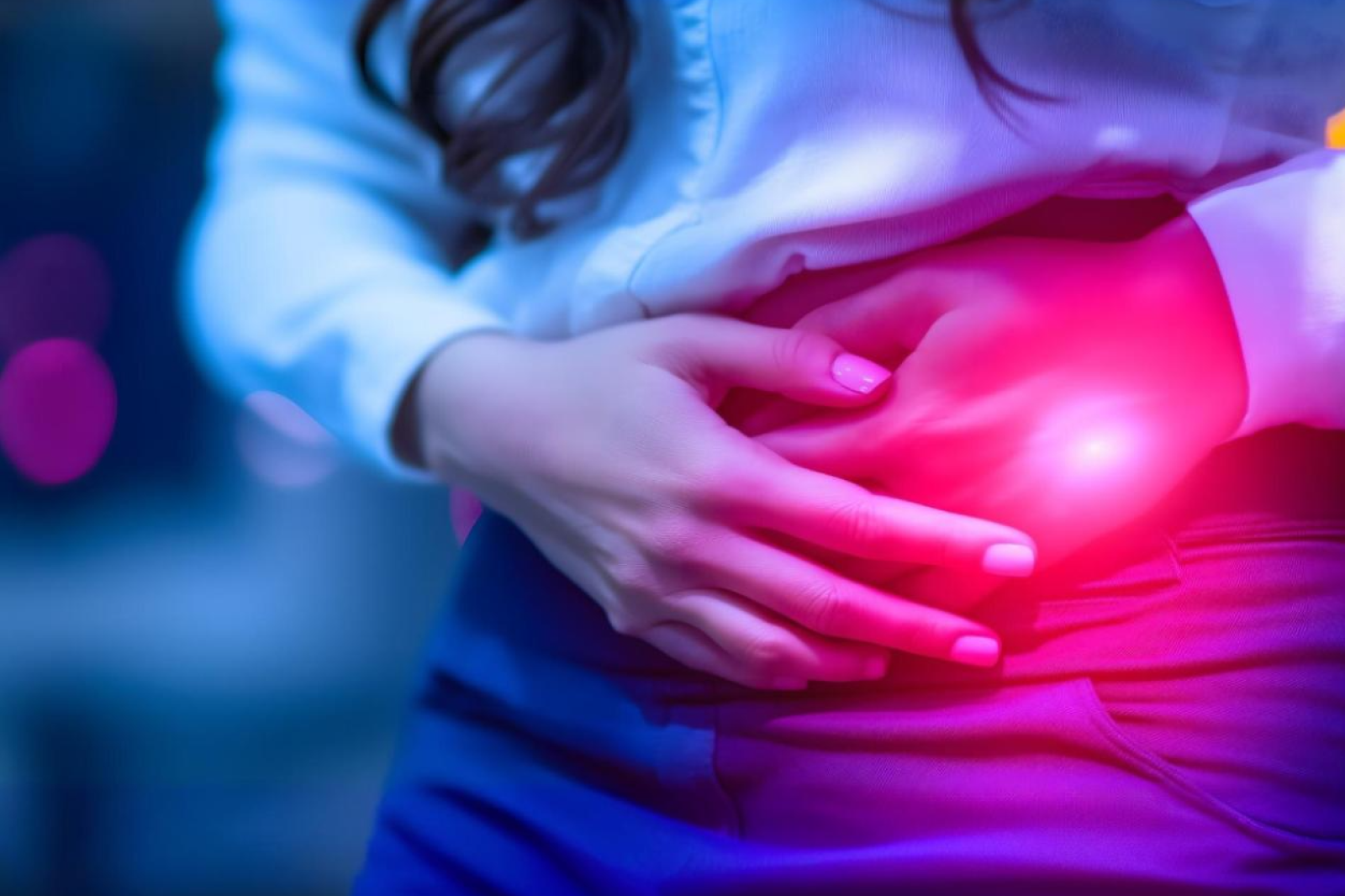
Have you ever felt a sudden, sharp twinge in your lower abdomen about two weeks before your period? That’s mittelschmerz—ovulation pain that may affect over 40% of women during their reproductive years.
Here’s what you need to know: Most ovulation pain lasts just a few minutes to several hours, though some women experience discomfort for up to 24-48 hours. This mid-cycle pain occurs when your ovary releases an egg, typically around day 14 of your cycle. The discomfort usually appears on one side of your lower abdomen, and while intensity varies from a mild twinge to sharp pain, it’s usually benign. Let’s explore what causes this discomfort, how to distinguish it from other conditions, and when to see your doctor.
Key takeaways about ovulation pain and how long it lasts
- Ovulation pain (mittelschmerz) typically lasts a few minutes to several hours, though it can persist up to 24-48 hours in some women
- Pain alone isn’t a reliable ovulation indicator—many women ovulate without pain, and pain timing doesn’t always align with egg release
- Track LH surges, BBT, and cervical mucus with a fertility app alongside pain symptoms for more accurate ovulation and fertility timing
- See a doctor if pain lasts longer than 48 hours, is severe, interferes with daily activities, or comes with fever, vomiting, or abnormal bleeding
- Most ovulation pain responds well to heat therapy, gentle exercise, and over-the-counter anti-inflammatory medications
What is ovulation pain (Mittelschmerz)?
Mittelschmerz is the medical term for pain experienced during ovulation, occurring midcycle in the menstrual cycle, typically between days 7 and 24. This benign condition describes the physical discomfort many women feel as their body releases an egg from the ovary following a surge in luteinizing hormone (LH).
The pain mechanism starts when a follicular cyst in the ovary swells and subsequently ruptures to release the egg. For most women experiencing mittelschmerz, the sensation coincides precisely with the peak in plasma luteinizing hormone levels, before the follicle has actually ruptured. Experts believe the pain isn’t due to follicular distention but rather results from increased ovarian perifollicular smooth muscle contractility triggered by prostaglandins.
Where is ovulation pain felt?
Mittelschmerz typically manifests as one-sided pain in the lower abdomen or pelvis. Your ovaries usually take turns releasing eggs, so the discomfort often alternates sides from month to month. If your right ovary is releasing an egg, you’ll feel pain on your right side.
Some women can feel which ovary released the egg based on the location of their pain. While many experience this alternating pattern, others report feeling pain consistently on just one side, meaning their discomfort likely occurs every other month. Rarely, some women feel the discomfort regardless of which ovary releases the egg.
How common is ovulation pain?
Approximately 40% of women of reproductive age experience mittelschmerz. This means about one in five women experiences some form of pain during ovulation. Women who have undergone ovarian surgery may experience mittelschmerz that persists until their period begins.
The intensity varies considerably from person to person. Some women report merely a mild ache or discomfort, while others experience sharp, agonizing pain that can even mimic appendicitis. The sensation may manifest as pressure, twinges, cramps, or strong pain in the lower abdomen.
Why is it called ‘mittelschmerz’?
The term “mittelschmerz” originates from German, combining “mittel” (middle) and “schmerz” (pain). This name precisely describes both the timing—middle of the cycle—and the sensation itself.
The word first appeared in medical literature in the 1890s, with the earliest documented use found in the Lancet medical journal in 1895. According to the Oxford English Dictionary, the word occurs about 0.01 times per million words in modern written English, making it a relatively uncommon but precise medical term.
Most women who experience mittelschmerz don’t have it every single month, and many don’t immediately recognize that the pain relates to their ovulatory cycle. The discomfort typically lasts from minutes to several hours, although it may persist for 24-48 hours in some cases. Rarely, the pain might continue until the onset of menstruation.
Why ovulation pain alone isn’t enough for fertility tracking
While mittelschmerz can indicate you’re near ovulation, relying on pain alone has significant limitations:
Timing isn’t precise: Ovulation pain can occur before, during, or even after the egg is released. Some women feel pain during the LH surge (24-36 hours before ovulation), while others feel it during follicle rupture. This variability makes it unreliable for pinpointing your actual fertile window.
It’s not universal: Up to 60% of women never experience ovulation pain. If you don’t feel mittelschmerz, that doesn’t mean you’re not ovulating.
Pain doesn’t confirm ovulation: You can feel mid-cycle pain without actually ovulating, or ovulate without any sensation at all.
For accurate ovulation tracking, you need objective data:
- LH testing: Detects the hormone surge that triggers ovulation 24-36 hours before egg release. Premom’s app not only can scan and interpret your LH test results automatically, but also helps identify your unique LH pattern. Not every woman who feels ovulation pain aligns perfectly with their peak LH, so by tracking both, you learn your body’s specific pattern rather than relying on pain timing alone.
- Basal Body Temperature (BBT): Helps identify if ovulation likely occurred by detecting the temperature shift that happens after egg release. Premom charts your BBT patterns to understand ovulation timing retrospectively.
- PdG testing: Provides additional confidence that ovulation likely happened by measuring progesterone levels after your suspected ovulation date.
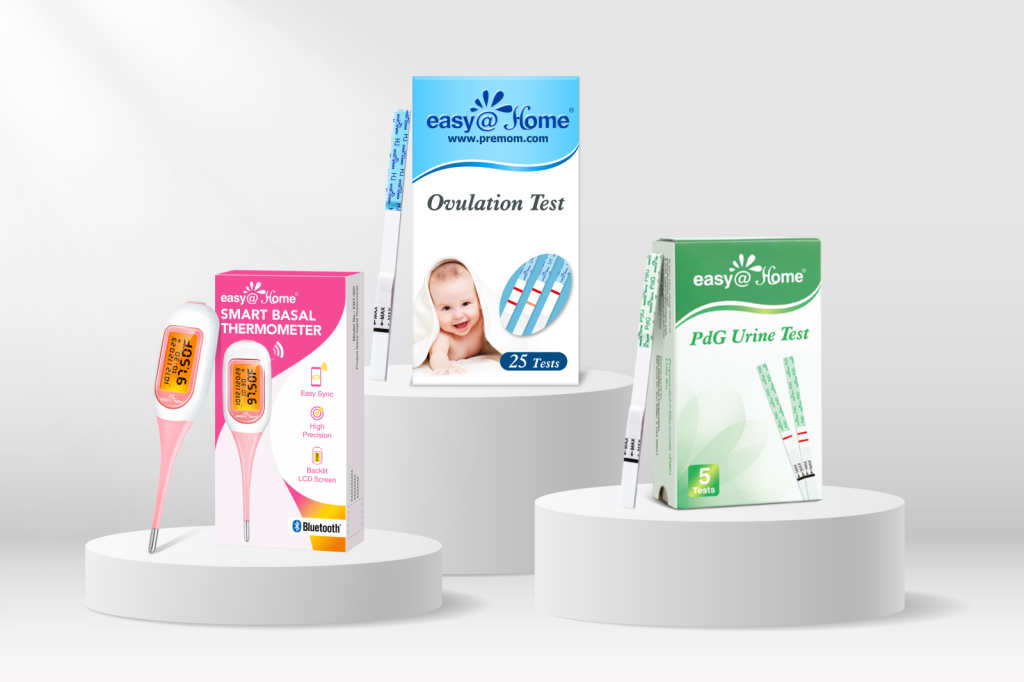
When you track ovulation pain alongside LH surges, BBT shifts, and cervical mucus changes in one place, you get a complete picture of your fertility—not just a single symptom that may or may not align with actual ovulation.
What does ovulation pain feel like?
Mittelschmerz symptoms can vary significantly from woman to woman. Some experience barely noticeable discomfort, while others feel sharp pain that stops them in their tracks. Learning to identify these patterns helps you distinguish normal ovulation pain from something that needs medical attention.
Typical ovulation pain symptoms
The timing tells the story. Ovulation pain occurs midway through your menstrual cycle, approximately 14 days before your next period starts. The sensation itself ranges considerably among women. You might feel:
- A sharp, sudden pain or twinge on one side of your lower abdomen
- A dull, persistent ache similar to mild menstrual cramps
- A deep, nagging sensation that comes and goes
- A general sense of abdominal fullness or bloating
The pain typically affects only one side of your abdomen at a time, corresponding to whichever ovary is releasing an egg that month. Many women notice the discomfort alternates sides from cycle to cycle as ovulation usually switches between ovaries.
Your body might also signal ovulation through other symptoms like light vaginal bleeding or spotting, clear stretchy discharge similar to egg whites, mild nausea if the pain is severe, or discomfort in the lower back.
How long does ovulation pain last?
Most ovulation pain resolves quickly, often within minutes to hours. The duration varies considerably among women. Mittelschmerz typically lasts anywhere from a few minutes to several hours. Some women experience longer discomfort—potentially up to 24-48 hours.
The pain itself may be constant or intermittent, sometimes coming and going throughout this timeframe. Even without treatment, the discomfort naturally subsides on its own for most women.
How it differs from period cramps
Timing sets ovulation pain apart from menstrual cramps. Ovulation pain occurs approximately 14 days before your next period begins, while menstrual cramps happen just before or during your period.
Location matters too. Period cramps tend to be generalized and centered in your abdomen, whereas ovulation pain is typically localized to one side. Ovulation pain often feels sharper and more sudden compared to the familiar dull ache of period cramps.
When symptoms may signal something else
Most ovulation pain is completely normal. However, certain symptoms warrant medical attention as they might indicate something more serious:
- Pain that lasts longer than 48 hours
- Severe pain that doesn’t respond to over-the-counter medications
- Painful urination or bowel movements during the discomfort
- Abnormal vaginal bleeding beyond light spotting
- Pain during intercourse
- Vomiting or diarrhea accompanying the pain
- Fever, nausea, or dizziness
These symptoms could signal other conditions such as endometriosis, ovarian cysts, pelvic inflammatory disease, ectopic pregnancy, or infections. If the character or intensity of your regular ovulation pain suddenly changes, it’s worth discussing with your healthcare provider.
While up to 40% of women experience some level of ovulation pain, severe or persistent discomfort isn’t typical and deserves medical evaluation.
What causes ovulation pain?
The exact cause of mittelschmerz isn’t completely understood, but researchers have identified several likely mechanisms:
Follicle Growth and Rupture
As your ovary prepares to release an egg, the follicle (fluid-filled sac containing the egg) swells with fluid. This stretching of the ovarian surface may cause discomfort. When the follicle ruptures to release the egg, a small amount of fluid and blood is released into the pelvic cavity, which can irritate surrounding tissue.
Prostaglandin Release
Research suggests that increased prostaglandin levels trigger smooth muscle contractions around the ovary during ovulation. These contractions may be responsible for the cramping sensation some women experience.
LH Surge Timing
Interestingly, studies show that ovulation pain often peaks around the same time as the luteinizing hormone (LH) surge—sometimes even before the follicle actually ruptures. This suggests the pain mechanism may be more complex than simple follicle rupture.
This LH-pain correlation is why tracking both together in Premom provides valuable insights. By scanning your LH tests and logging when you feel pain, you can identify whether your discomfort precedes, coincides with, or follows your LH surge—information that helps you understand your fertile window timing with greater precision.
Individual Sensitivity
Not all women experience ovulation pain, and the intensity varies significantly. Some researchers believe individual differences in pain perception, pelvic anatomy, or sensitivity to prostaglandins may explain why some women feel mittelschmerz while others don’t.
How to Use Ovulation Pain as Part of Your Fertility Data
While ovulation pain shouldn’t be your only fertility indicator, it can be a valuable supplementary signal when tracked alongside objective data:
If your pain is consistent: Track it in Premom for 2-3 cycles alongside LH tests and BBT. If you discover your pain reliably occurs 24-36 hours before your LH peak, it can serve as an early warning that your fertile window is opening—giving you advance notice to prioritize sex before your peak fertility.
If your pain is inconsistent: Don’t try to use it for timing. Instead, focus on LH testing and BBT tracking, and simply note when pain occurs to monitor for any concerning changes over time.
If you don’t experience pain: This is completely normal. Up to 60% of women never feel ovulation pain. Tracking with other LH tests, BBT, PdG, and cervical mucus monitoring provides all the data you need to get a more complete picture of your ovulation cycle.
When should you see a doctor about ovulation pain?
Mild ovulation pain is typically normal, but knowing when to seek medical attention can make all the difference in protecting your reproductive health. Your body sends clear signals when something needs professional evaluation.
Track your cycle for better insights
Detailed menstrual cycle records serve as a powerful diagnostic tool. When you document your ovulation pain patterns, you create valuable information for both yourself and your healthcare provider.
Track these specific details:
- The exact day of your cycle when pain occurs
- Which side of your abdomen feels discomfort
- Duration of pain (minutes, hours, or days)
- Pain intensity on a scale of 1-10
- Accompanying symptoms like spotting or nausea
Fertility and ovulation apps like Premom make this tracking seamless by allowing you to log ovulation pain alongside LH test results, BBT readings, and other cycle symptoms. This comprehensive view helps you identify patterns and correlate pain with actual ovulation timing as signaled by LH surges.
Pain that consistently occurs around day 14 and lasts a few hours likely represents normal ovulation discomfort. Pain at unusual times or lasting abnormally long might signal something else requiring attention. Many women find that ovulation pain occurs for just one day, while others experience it for two or more days.
Medical tests your doctor might recommend
Your healthcare provider will likely begin with a thorough clinical evaluation, including detailed questions about your menstrual cycle, pain characteristics, and associated symptoms. A pelvic examination typically follows, though it often shows no abnormalities with standard mittelschmerz.
For persistent or severe pain, your doctor might order:
- Laboratory tests to check for infections or hormonal imbalances
- Abdominal or transvaginal pelvic ultrasound to examine your ovaries
- CT scans for more detailed imaging
- Blood tests, including CA-125, to investigate potential causes
These tests might reveal a collapsed ovarian follicle, which helps confirm mittelschmerz diagnosis. For complex situations, specialized procedures like laparoscopy or hysteroscopy allow direct visualization inside your pelvis or uterus.
Conditions that can mimic ovulation pain
Several conditions produce symptoms similar to ovulation pain, making proper diagnosis essential:
Abnormal ovarian cysts can cause pain resembling mittelschmerz. Unlike typical follicular cysts that rupture during ovulation, these cysts fill with fluid or blood and become enlarged. Dermoid cysts, cystadenomas, and endometriomas might cause similar discomfort.
Endometriosis occurs when tissue similar to the uterine lining grows outside the uterus, often producing pain that mimics ovulation discomfort. This condition typically causes more persistent or severe symptoms.
Pelvic inflammatory disease (PID) results from infection of female reproductive organs, often from sexually transmitted bacteria, and can present with similar pain. PID typically includes additional symptoms like fever or unusual discharge.
Other conditions that can mimic ovulation pain include appendicitis, ectopic pregnancy (a medical emergency), urinary tract infections, gastrointestinal issues, and inflammatory bowel disease.
When you should contact your healthcare provider
You should seek medical attention if your ovulation pain:
- Prevents you from performing normal daily activities
- Lasts longer than usual or beyond 48 hours
- Doesn’t respond to over-the-counter medications
- Comes with fever, nausea, or vomiting
- Occurs with vaginal bleeding beyond light spotting
- Feels suddenly severe and lasts more than a few hours
- Changes in character or intensity from your usual pattern
Remember, about 40% of women experience ovulation pain, but severe pain might indicate underlying conditions requiring prompt medical attention. Trust your instincts about your body—if something feels different or concerning, it’s worth discussing with your healthcare provider.
How to relieve ovulation pain naturally
Most women experiencing mittelschmerz want practical solutions to manage their discomfort. The good news? Ovulation pain typically responds well to simple treatments, and several options exist for those dealing with recurring or more severe pain.
At-home remedies for mild pain
Heat therapy ranks as one of the most effective natural remedies for ovulation discomfort. When you apply warmth to the affected area, it increases blood flow, relaxes tense muscles, and eases cramping. Here are simple approaches you can try:
- Soak in a warm bath for 15-20 minutes
- Use a heating pad or hot water bottle on your lower abdomen
- Apply a microwaveable cotton bag filled with dried beans
Light physical activity can also provide relief. Gentle exercise improves circulation and releases endorphins that naturally combat pain. Even a short walk during ovulation can help ease discomfort.
What about nutrition? Foods rich in magnesium and calcium—like leafy greens—can help relax muscles and reduce cramping. Omega-3 fatty acids possess anti-inflammatory properties that may ease ovulation discomfort. You can get omega-3s from fatty fish like salmon, flaxseeds, and walnuts, or through high-quality supplements like Premom’s Prenatal DHA Fish Oil, which provides concentrated EPA and DHA to support reproductive health and may help reduce inflammation*.
Over-the-counter medications
Anti-inflammatory medications work particularly well because they target the prostaglandins that contribute to ovulation pain. Common options include:
- Ibuprofen (Advil, Motrin)
- Naproxen sodium (Aleve)
- Acetaminophen (Tylenol)
Timing matters. Taking pain relievers a day or two before you expect ovulation or immediately when you feel the first twinge often provides better relief than waiting until pain intensifies. Always consult your healthcare provider before adopting this preventative approach, though.
Check with your doctor about potential drug interactions or health conditions that might make certain medications unsuitable. Follow dosage instructions carefully—taking more than recommended won’t increase effectiveness but may cause side effects.
When birth control may help
Are you experiencing particularly painful or disruptive ovulation? Hormonal contraceptives can eliminate the source of pain by preventing ovulation entirely.
The combined pill (containing both estrogen and progesterone) typically works most effectively for ovulation pain because it consistently suppresses ovulation. Other hormonal options that may help include:
- The mini pill (progesterone only)
- Hormonal implants
- Intrauterine devices (IUDs)
Even when birth control is used primarily to manage pain rather than for contraception, all standard side effects and risks still apply. Finding the right hormonal method often requires patience, as many women try several options before identifying what works best for their body.
Can ovulation pain be prevented?
Ovulation pain cannot be completely prevented naturally since it’s linked to your body’s normal ovulation process. The only definitive way to prevent ovulation pain is by suppressing ovulation through hormonal contraceptives.
If you prefer not to use hormonal methods, focus on managing symptoms rather than prevention. This means:
- Track your cycle to anticipate when ovulation will occur
- Plan ahead with pain management strategies
- Have relief methods readily available during your fertile window
Remember that ovulation timing can vary, especially under stress or with health changes. Maintaining overall reproductive health through regular checkups, balanced nutrition, and stress management contributes to general well-being, which may indirectly influence how intensely you experience ovulation pain.
Conclusion
Ovulation pain typically resolves within hours and affects up to 40% of women. While it can signal approaching ovulation, pain alone isn’t reliable for fertility tracking—many women ovulate without feeling anything, and pain timing varies.
For a better way to track ovulation, it’s recommended to use ovulation tests with a smart app to track the LH surge, basal body temperature, and cervical mucus alongside any ovulation symptoms. Download the Premom app to scan LH tests, chart BBT automatically, log symptoms, and get a complete view of your fertile window—so you’re working with data, not guesswork.
How Long Should Ovulation Pain Last – FAQs
Ovulation pain usually manifests as a sharp twinge or dull ache on one side of the lower abdomen. It may be accompanied by light vaginal bleeding, clear stretchy discharge, or mild nausea. The pain typically lasts from a few minutes to several hours, though in some cases it can persist for up to 48 hours.
Ovulation pain occurs midway through your menstrual cycle, about 14 days before your next period, while menstrual cramps happen just before or during your period. Ovulation pain is usually localized to one side of the abdomen, whereas menstrual cramps tend to be more generalized. Additionally, ovulation pain often feels sharper and more sudden compared to the dull ache of period cramps.
Heat therapy is one of the most effective natural remedies for ovulation discomfort. You can try soaking in a warm bath, using a heating pad, or applying a microwaveable hot-cold bag to your lower abdomen. Light exercise can also help by improving circulation and releasing endorphins. Additionally, incorporating foods rich in magnesium, calcium, and omega-3 fatty acids into your diet may help alleviate the pain.
You should consult a healthcare provider if your ovulation pain lasts longer than 48 hours, is severe enough to interfere with daily activities, doesn’t respond to over-the-counter medications, or is accompanied by fever, nausea, vomiting, or abnormal vaginal bleeding. Also, seek medical attention if the pain suddenly changes in character or intensity from your usual pattern.
Ovulation pain cannot be completely prevented naturally as it’s linked to the body’s normal ovulation process. However, hormonal contraceptives can suppress ovulation, effectively preventing the pain. For those who prefer not to use hormonal methods, managing symptoms becomes the focus. This includes tracking your cycle to anticipate ovulation, planning ahead with pain management strategies, and having relief methods readily available during your fertile window.
*These statements have not been evaluated by the Food and Drug Administration. This product is not intended to diagnose, treat, cure, or prevent any disease.
References
Brott NR, Le JK. Mittelschmerz. [Updated 2023 May 1]. In: StatPearls [Internet]. Treasure Island (FL): StatPearls Publishing; 2025 Jan-. Available from: https://www.ncbi.nlm.nih.gov/books/NBK549822/
Cleveland Clinic. Ovulation Pain (Mittelschmerz): Causes & Treatment. Cleveland Clinic. Last reviewed February 9, 2023. Accessed November 12, 2025.
Ovulation pain. NHS. Page last reviewed January 30, 2023. Accessed November 12, 2025.
Mittelschmerz – Causes, Symptoms, Diagnosis, Treatment, and Prevention. Apollo Hospitals. Published April 25, 2025. Accessed November 12, 2025.
Maloney J, Pew S, Wie C, Gupta R, Freeman J, Strand N. Comprehensive review of topical analgesics for chronic pain. Curr Pain Headache Rep. 2021;25(2):7. doi: 10.1007/s11916-020-00923-2
Patel A, Jha P, Sharma D, et al. Dysmenorrhea, a Narrative Review of Therapeutic Options. J Clin Med. 2024;13(16):4595. Published 2024 Aug 15. doi:10.3390/jcm13164595.
Fathizadeh N, Ebrahimi E, Valiani F, et al. Evaluating the effect of magnesium supplement on primary dysmenorrhea. BMC Complement Altern Med. 2017;17(1):159. Published 2017 Mar 31. doi:10.1186/s12906-017-1678-z.
Mittelschmerz, n. Oxford English Dictionary. Revised 2002. Accessed November 12, 2025. https://www.oed.com/dictionary/mittelschmerz_n.


