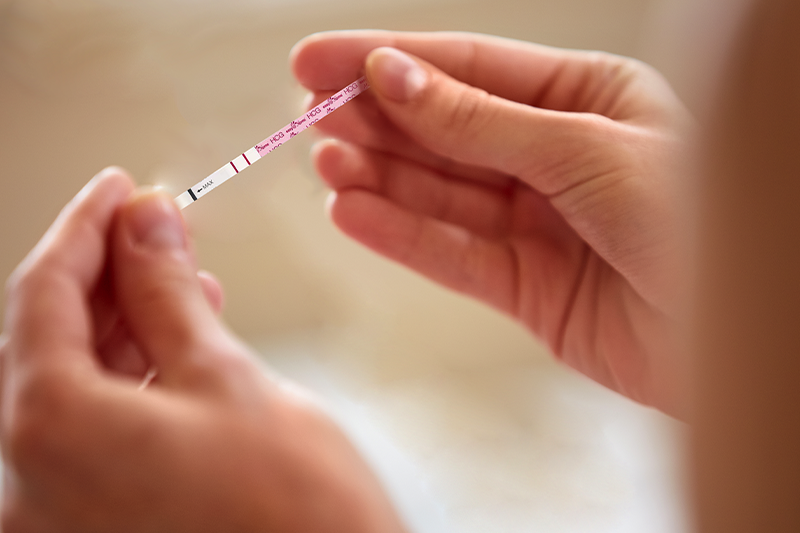
Did you get a positive pregnancy test but then you started your period? Did you have multiple positive pregnancy tests but as you continued to test, the results became lighter and lighter and/or eventually negative? If you answered yes to either of these questions, you may be experiencing a chemical pregnancy.
What is a chemical pregnancy?
A chemical pregnancy, or early pregnancy loss, happens to 30% of pregnancies following assisted reproduction and to 20-25% of spontaneously conceived pregnancies.
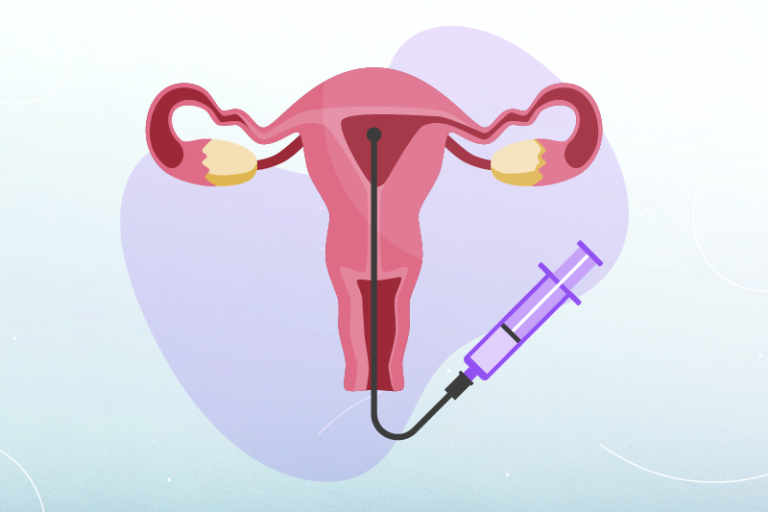
A chemical pregnancy is a very early miscarriage that usually happens before 5 weeks gestation. It gets its name from being verified only by the pregnancy hormone, hCG, as it cannot be detected on ultrasound this early.
It is considered a miscarriage because it ends before it was even confirmed by an ultrasound or a baby’s heartbeat. In other words, the gestational sac has not yet been formed. It is also called hormonal pregnancy by medical doctors. The pregnancy did not continue because something was not quite optimal in the lining of the uterus after implantation had occurred.
However, you may feel that this time is perfectly validated. Experiencing a pregnancy loss, no matter how far along, can be absolutely devastating. Despite its commonality, it does not make navigating this loss any easier emotionally. It is important to give yourself grace while you heal and decide about the next steps. This is not your fault and it absolutely does not mean you cannot have a successful pregnancy in the future! Only 1% of women will have repeated miscarriages, meaning 99% of women will have a viable pregnancy after a loss.
This term can be defined as a miscarriage that occurs between 6 days of gestation and 5 weeks of pregnancy. It is considered a miscarriage because it ends before it is even confirmed by an ultrasound or a baby’s heartbeat. In other words, the gestational sac has not yet been formed. It is also called hormonal pregnancy by medical doctors. The pregnancy did not continue because something was not quite optimal in the lining of the uterus after implantation had occurred.
Signs and symptoms of a chemical pregnancy
Most women who experience a chemical pregnancy do not even know they were pregnant – they simply think their period is a few days late. But if you have been tracking your cycle and taking pregnancy tests before your expected period date, you are more likely to know this is the cause for these possible symptoms:
- A positive pregnancy test followed by a negative test or a period
- A late, heavier than normal period with or without clots
- More intense menstrual cramping
Differences between a chemical pregnancy and a false positive pregnancy test

Should I talk to my doctor about my chemical pregnancy?
While a chemical pregnancy does not typically require any medical intervention, it is worth mentioning to your doctor. Often, there is nothing that could have been done differently to avoid a chemical pregnancy as the most common cause is chromosomal abnormalities.
However, if you do experience recurrent chemical pregnancies, medical intervention can potentially help determine the root cause. Your doctor may want to perform an ultrasound to look for any anatomical causes and conduct laboratory testing including progesterone, clotting factors, a thyroid panel, etc.
If you haven’t already, now is a great time to take a prenatal vitamin every day! These help lay the foundation for your baby’s future home. Don’t hesitate to ask your doctor which prenatal vitamin may be best for you.
What happens after my chemical pregnancy?
Chemical pregnancies can surface a lot of emotions. It is important to take care of yourself both mentally and physically during this time. Some women find talking with their partner, a friend, or even their doctor can alleviate some of the emotional burden. Others find engaging in a favorite hobby or even trying to conceive again aids in their healing process.
Regardless of your coping method, know you are strong and your body is capable of amazing things! When you are ready, you have an incredible support team ready to help you learn how to take charge of your fertility.
Importance of tracking your cycle during a chemical pregnancy
Keeping track of your menstrual cycle with ovulation tests and basal body temperature (BBT) can help you spot chemical pregnancies, especially if they occur frequently. If you have recurrent chemical pregnancies, it’s a good idea to consult with your doctor.
Ovulation Tests: These tests check for luteinizing hormone (LH) in your urine. An LH surge means ovulation is near. By testing daily after your period, you can identify your most fertile days.
Basal Body Temperature (BBT): For BBT tracking, use a special thermometer. After at least three hours of sleep, take your temperature first thing in the morning and do so at the same time each day. Look for a small rise in temperature after ovulation.
By monitoring these signs in the free Premom app, you can gain valuable insights into your cycle, enhance your chances of conception, and easily track potential issues. Start tracking today to empower your fertility journey!
References
- Gimovsky AC, Pham A, Moreno SC, Nicholas S, Roman A, Weiner S. Genetic abnormalities seen on CVS in early pregnancy failure. Journal of Maternal-Fetal and Neonatal Medicine. 2020;33(13):2142-7.
- Okeke Ogwulu CB, Goranitis I, Devall AJ, Cheed V, Gallos ID, Middleton LJ, et al. The cost-effectiveness of progesterone in preventing miscarriages in women with early pregnancy bleeding: an economic evaluation based on the PRISM trial. BJOG: An International Journal of Obstetrics and Gynaecology. 2020;127(6):757-67.
- Han S. The chemical Pregnancy: technology, Mothering, and the making of a Reproductive experience. Journal of Motherhood Initiative for research and Community Involvement. 2014;5(2):41-53.
- Detti L, Francillon L, Christiansen ME, Peregrin-Alvarez I, Goeske PJ, Bursac Z, et al. Early pregnancy ultrasound measurements and prediction of first trimester pregnancy loss: A logistic model. Scientific Reports. 2020;10(1).